HONDA 17211-MF9-700 Reservoir Oil Seperator
fits model: Vt, 500, Shadow. make: Honda. year: 1984–1986.
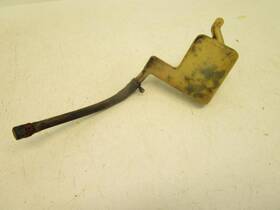
( Manufacturer Part Number: 17211-MF9-700 ), ( Part Type: Oil )
Review HONDA Reservoir Oil Seperator fits SHADOW VT 500 1984–1986
The **Honda 17211-MF9-700 85 VT 500 Shadow Oil Separator** is a meticulously engineered, high-performance component designed exclusively for the iconic **1984 1986 Honda VT500 Shadow** motorcycle, ensuring optimal engine protection and longevity. This precision-crafted oil separator is a critical part of the motorcycle s lubrication system, responsible for filtering and separating oil from the air-fuel mixture in the carburetor, thereby preventing excessive oil buildup in the combustion chamber and maintaining peak engine efficiency. Crafted from durable, high-quality materials, the separator features a robust, corrosion-resistant design that withstands the rigors of daily riding, whether on city streets or winding highways. Its compact yet sturdy construction integrates seamlessly with the VT500 s carburetor setup, providing a reliable barrier against oil contamination while minimizing pressure loss, ensuring smooth throttle response and consistent power delivery. Ideal for both original-equipment replacement and restoration projects, this genuine Honda part adheres to strict manufacturing standards, guaranteeing compatibility and performance identical to the factory specification. Whether you're a seasoned mechanic or an enthusiast restoring a classic Shadow, this oil separator is an essential component for preserving the integrity of your engine and enhancing overall ride quality.
### **Pros and Cons of Buying a 1984-1986 Honda 500 Shadow VT (17211-MF9-700, 85 VT, with Oil Reservoir & Separator)**
#### **Pros**
1. **Classic Design and Reliability**
The Honda 500 Shadow VT is a well-regarded classic motorcycle, known for its timeless design and solid reputation for durability. Honda s engineering in the 1980s was strong, and many of these bikes still run reliably today with proper maintenance.
2. **Air-Cooled V-Twin Engine**
The 492cc (later 498cc) air-cooled V-twin is a simple yet robust powerplant. Air-cooled engines are generally easier to maintain than liquid-cooled ones, and the VT s design is straightforward, making repairs more accessible for DIYers.
3. **Oil Reservoir and Separator System**
The inclusion of an oil reservoir and separator (a feature found on some later models or aftermarket upgrades) helps improve oil flow and reduce sludge buildup. This can extend the life of the engine if the system is well-maintained. Original VT models (pre-1986) did not come with this feature, so if this bike has it, it may be an aftermarket addition or a rare variant.
4. **Modularity and Customization Potential**
The VT platform is highly modifiable. Owners can upgrade components like the carburetors, exhaust, suspension, and electrical system. The bike s simplicity also makes it a popular choice for restomod projects.
5. **Strong Secondary Market**
Honda s reputation ensures a steady supply of parts, and the VT is a common bike in the classic market. Finding replacement components or used parts is relatively easy compared to rarer bikes.
6. **Good for Beginners and Experienced Riders**
The VT is manageable for new riders due to its weight (around 400 450 lbs) and straightforward controls. Experienced riders appreciate its balance of power and handling.
7. **Fuel Efficiency**
For its size and power, the VT is reasonably efficient, consuming about 40 50 mpg on a good day. This makes it practical for short to medium-distance rides.
8. **Historical Significance**
The VT was one of Honda s first true adventure bikes, blending comfort, power, and versatility. Owning one connects you to motorcycle history, which can be appealing to enthusiasts.
---
#### **Cons**
1. **Age and Wear**
A 1984 1986 VT is approaching 40 years old, meaning it will require significant maintenance. Rust, worn suspension, and aging components (like the carburetors, clutch, and transmission) are common issues. The bike may need a major overhaul to be reliable.
2. **Original Carburetors (CV Carbs)**
The VT originally came with CV carburetets, which are prone to leaks, poor atomization, and difficulty tuning. Upgrading to modern aftermarket carburetors (like Mikuni or Keihin) is often necessary for better performance and reliability.
3. **Electrical System Reliability**
The wiring harness and electrical components (ignition, lights, etc.) can fail over time. The bike may require rewiring or upgrades to modern components for safety and functionality.
4. **Suspension Wear**
The original shocks and forks are not designed for heavy use or modern riding styles. Upgrading to aftermarket suspension (e.g., hlins, Showa, or Sachs) is common but adds cost.
5. **Fuel System Issues**
Ethanol-blended fuel (common today) can cause problems with the original rubber hoses, gaskets, and carburetors. The bike may need fuel system upgrades or modifications to handle modern fuel.
6. **Weight and Handling**
While the VT is stable, its weight (especially with a full tank and luggage) can make it feel sluggish. The bike s geometry is also less aggressive than modern adventure bikes, which may not suit riders looking for sportier handling.
7. **Emissions and Legal Compliance**
Older bikes may not meet modern emissions standards in some regions, requiring modifications (like catalytic converters or EFI upgrades) to pass inspections. Check local laws before purchasing.
8. **Cost of Restoration**
If the bike is in poor condition, restoring it to running order can be expensive. Labor costs for classic bikes are often higher due to specialized knowledge. A full rebuild may cost $2,000 $5,000 or more, depending on the extent of damage.
9. **Limited Comfort for Long Rides**
The ergonomics of the VT are basic by today s standards. The seat is firm, the handlebars are high, and the wind protection is minimal. Riders planning long trips may find it uncomfortable compared to modern adventure bikes.
10. **Parts Availability for Rare Features**
While parts for the VT are generally available, some rare components (like the oil reservoir/separator system if it s not stock) may be harder to source. Confirm that the separator is functional and compatible with the bike s age.
---
### **Conclusion**
The 1984 1986 Honda 500 Shadow VT is a **great project bike for enthusiasts** who enjoy working on motorcycles and appreciate classic design. It offers a **reliable, simple engine** and a **strong aftermarket support system**, making it a viable choice for riders who are willing to invest time and money into maintenance or restoration.
However, it is **not an ideal choice for someone seeking a turn-key, low-maintenance ride**. The bike s age means it will require **regular upkeep**, and some upgrades (carburetors, suspension, electrical system) are likely necessary to make it safe and enjoyable to ride today.
If you are **mechanically inclined, enjoy tinkering, and want a unique piece of motorcycle history**, the VT is an excellent purchase. If you prefer **a hassle-free, modern bike**, consider a newer adventure bike or a well-restored classic.
---
### **Recommendation**
- **Buy if:** You have mechanical skills, enjoy restoration projects, and want a unique V-twin adventure bike. Budget for at least $2,000 $3,000 for parts and labor to get it running smoothly.
- **Avoid if:** You want a bike that requires minimal maintenance, plan to ride it frequently without major work, or prefer modern comfort and technology.
- **Before purchasing:** Inspect the engine for wear, test the carburetors, check for rust, and confirm the oil separator system is functional. Consider getting a pre-purchase inspection from a trusted mechanic.
- **Upgrades to prioritize:** Carburetors, suspension, electrical system, and fuel lines to ensure reliability and safety.
Details:
Combined shipping is available for multiple items.: Will need flushed out before use. 84-86 Honda VT 500 C Shadow. 85 Honda VT 500 C Shadow.
part #: 17211mf9700 prices
- $9.95-$20.00
specifications cyclevintagee:
- for models: Vt, 500, Shadow
- for makes: Honda
- for years: 1984-1986
- mpn: 17211-mf9-700
- part type: Oil
returns cyclevintagee:
- paid by: Seller
- policy: Returns Accepted
- time: 30 Days
shipping cyclevintagee:
- class: Standard
- carrier: USPS
- cost: $0.00
- service: USPS First Class
- transit: 5-8 Days
- type: Fixed
payments cyclevintagee:
- credit card: Diners-club
- other
- wallet: Google-pay
seller cyclevintagee:
- city: Chippewa Lake, Ohio
- rating: 99.9%
- # reviews: 109926
general cyclevintagee:
- condition: Used
- Parts Accessories > Motorcycle Scooter Parts Accessories > Other Motorcycle Scooter Parts Accessories
offer cyclevintagee:
- options: Ship-to-home
- availability: In Stock
- sold: 0
- best offers: True
- quantity: 1
- started: February 7, 2026
Honda 17211-MF9-700 Is Similar To:
- 11201-mf2-710 Honda Interceptor Oil Pan Upgrade Kit Oem (31.5% similar) 3 - one TOTAL91308-MA6 o-ring 14. Shipping in a sturdy box via USPS priority mail. The oil pan also has more cooling fins...(June 25th, 2018)
- 13011-ms6-305 Honda Oem Shadow Vlx Standard Size Piston Ring Set For (31.4% similar) New oem honda VT600 shadow LX standard size piston ring set for 1/5 rings. This part does not include the original packaging...(September 24th, 2018)
- 13300-mf5-770 Honda Crankshaft Shadow Ascot (31.3% similar) This is a used crankshaft that's in great condition...(June 15th, 2018)
- 14500-028-000 Unbranded Honda Tensioner Cam Chain Oil Pump Other Parts (28.2% similar) 1975 honda ACT 90 cam chain, pensioner, oil pump, misc parts. Comes as is and untested. Comes with items in photo...(October 10th, 2018)
- 15100-383-000 Honda Oil Pump Assembly Hardware Cb (19.8% similar) Good oil pump out of a 78 honda CB125S will also fit certain years of: XL100 TL125S XL125 CT125...(August 4th, 2018)
- 15100-413-030 Honda Engine Oil Pump (24.3% similar) Last photo is of odometer that I sold earlier this year. Don't think you'll find much better used. Pump is in good shape. See photos bike had very low miles and was well maintained...(March 24th, 2018)
- 15110-273-000 Honda Oil Pump Body Part Nos (21.1% similar) ...(November 5th, 2018)
- 15291-256-300 Honda Nos Oem Oil (25.2% similar) Please look carefully before purchasing. In great condition. Consideration is an oem oil pump gasket...(September 18th, 2017)
- 15650-292-010 Honda Chrome Engine Oil Dipstick Obsolete Part (28.8% similar) May fit other model's item is in excellent condition...(July 4th, 2018)
- 16050-ke8-004 Honda Magna Interceptor Shadow Carburetor Springs (31.1% similar) V30 manga interceptor shadow VF500C VF500F VT500C carburetor springs came off a 1984 fits other makes model's, check below home this honda KE8-004 spring, vacuum piston the following model's and components: motorcycle 1983 VT500FT - ascot component 500 ac components parts iv 1985...(March 28th, 2018)
- 37600-mm8-671 Honda Shadow Oem Speedometer Pilot Box Assembly Ace (30.7% similar) Items are new and fully functional unless listing says otherwise. New oem honda speedometer pilot box assembly part mm 8-651 this is obsolete discontinued and no longer available from FITMENT:1995 VT1100C a - shadow 1100 SPEEDOMETER1995 VT1100C2 ac ace SPEEDOMETER1996 msrp 79...(April 5th, 2018)