YAMAHA 16G-2835U-00-00 Speedometer Meter Panel
fits model: Xj, Turbo, 750, Seca. make: Yamaha. year: 1982.
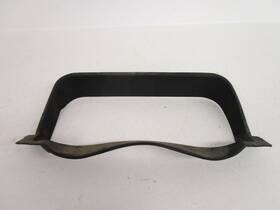
( Manufacturer Part Number: 16G-2835U-00-00 ), ( Part Type: Speedometer Meter Panel )
Review YAMAHA Speedometer Meter Trim Panel fits SECA XJ TURBO 750 1982
The **Yamaha 16G-2835U-00-00 1982 XJ-750 SECA Turbo Speedometer Meter Panel** is a meticulously crafted, high-performance instrument cluster designed exclusively for Yamaha s legendary **XJ-750 SECA Turbo**, a rare and sought-after model from the early 1980s. This vintage meter panel is a testament to Yamaha s engineering precision and the bold aesthetic of the era, blending classic mechanical craftsmanship with the cutting-edge technology of its time. The panel features a **triple-needle analog layout**, with a **speedometer** at the center flanked by a **tachometer** on the left and a **fuel gauge** on the right, all encased in a sleek, black anodized aluminum frame that exudes both durability and sophistication. The **turbocharged variant** of the XJ-750 required a specialized gauge setup to monitor the additional stress placed on the engine, and this meter panel was engineered to provide real-time feedback on RPM, speed, and fuel levels with unmatched clarity and responsiveness.
The **speedometer** itself is a masterpiece of analog design, featuring a **white dial with black hour markers** and a **red-tipped needle** that glides smoothly across the scale, offering precise readings up to **160 mph (257 km/h)** a testament to the XJ-750 s high-speed capabilities. The **tachometer**, positioned to the left, displays engine RPM with a **black dial and white markers**, allowing riders to dial in the perfect power band, whether cruising at low speeds or pushing the turbocharged engine to its limits. The **fuel gauge**, located to the right, uses a **black dial with white markings** to indicate fuel levels, ensuring riders never find themselves stranded due to an unexpected empty tank. Each gauge is backlit with a **soft amber glow**, enhancing visibility in low-light conditions while maintaining the panel s vintage aesthetic.
Beyond its functional brilliance, this meter panel is a **collector s treasure**, embodying the spirit of Yamaha s **SECA (Super Endurance Competition Adaptation)** series, which was designed for long-distance touring and endurance racing. The **turbocharged modification** of the XJ-750 required adjustments not only to the engine but also to the instrumentation, making this panel a rare and highly desirable component for both restoration projects and enthusiasts seeking to preserve the authenticity of their classic bikes. The **1982 model year** adds another layer of exclusivity, as production numbers for this variant were limited, and the panel s condition whether restored to factory specs or preserved in its original state can significantly impact its value.
For the discerning rider or restorer, this meter panel is more than just a functional component; it is a **piece of automotive history**, offering a glimpse into Yamaha s innovation during the golden age of motorcycle engineering. Whether installed in a fully restored **XJ-750 SECA Turbo** or displayed as a standalone artifact, it serves as a reminder of the bold experimentation and mechanical artistry that defined an era. Its **durable construction, precise engineering, and timeless design** make it a prized addition to any collection, ensuring that every glance at the dials evokes a sense of nostalgia and admiration for the craftsmanship of the past.
### **Pros and Cons of buying a 1982 Yamaha XJ750 SECA Turbo Speedometer Meter Panel (16G-2835U-00-00)**
#### **Pros:**1. **Rarity and Collectibility** The SECA Turbo model is one of Yamaha s most sought-after classic motorcycles, especially in the SECA (Special Edition Competition Alloy) trim. The turbocharged engine makes it a unique and desirable piece for enthusiasts.
2. **High Performance Potential** The turbocharged 750cc engine (based on the XS750) produces significantly more power than the standard XJ750, offering a thrilling ride for those who appreciate modified or high-performance bikes.
3. **Classic Design with Modern Appeal** The SECA Turbo retains the timeless styling of the XJ750 while incorporating alloy wheels and a more aggressive aesthetic, making it visually striking even by today s standards.
4. **Aftermarket Support** As a classic Yamaha, it benefits from a strong aftermarket community, with available parts, upgrades, and restoration services. The turbo system, in particular, has been studied and modified by enthusiasts over the years.
5. **Potential for Restoration Value** If well-preserved or restored, this bike could appreciate in value, especially if demand for classic turbocharged Yamahas continues to grow.
6. **Unique Driving Experience** The turbocharged engine provides a distinct power delivery that differs from naturally aspirated bikes, offering a different kind of excitement for riders who enjoy performance modifications.
---
#### **Cons:**1. **Turbocharger Reliability Issues** The turbo system on these bikes is known for being finicky. Turbo lag, overheating, and potential failure of the turbocharger itself are common concerns. Many owners report needing frequent repairs or replacements.
2. **High Maintenance Costs** The turbocharged engine requires more maintenance than a standard XJ750, including regular turbo inspections, oil changes, and potential cooling system upgrades. The turbo itself is expensive to replace.
3. **Fuel System Challenges** The turbo setup often requires upgraded fueling (e.g., larger injectors, fuel pump upgrades) to prevent detonation and ensure proper performance. This adds to the complexity and cost of ownership.
4. **Limited Availability of Parts** While Yamaha parts are widely available, finding OEM turbo-specific components (e.g., turbocharger, intercooler, wastegate) can be difficult and costly. Aftermarket parts may be necessary, which could compromise reliability.
5. **Riding Characteristics** The turbocharged engine can be less efficient at lower RPMs due to lag, and the bike may feel less nimble than a naturally aspirated XJ750. The added weight from the turbo system also affects handling.
6. **Potential for Hidden Problems** Many SECA Turbos were modified or abused in their original lives, leading to issues like worn internals, exhaust leaks, or electrical problems. A thorough inspection is crucial before purchase.
7. **Insurance and Registration Costs** Classic bikes, especially modified or turbocharged ones, can be expensive to insure. Some regions may also have restrictions on turbocharged engines for registration.
8. **Skill and Knowledge Required** Running a turbocharged bike demands a better understanding of engine management, cooling systems, and performance tuning. Inexperienced riders may struggle with maintenance and troubleshooting.
---
### **Conclusion and Recommendation**
The **1982 Yamaha XJ750 SECA Turbo** is a fantastic bike for the right owner someone who appreciates rare, high-performance classics and is willing to invest time and money into maintaining it. Its turbocharged engine offers a unique driving experience that naturally aspirated XJ750s cannot match, and its collectible status ensures it remains desirable.
However, the **turbocharger s reliability issues, high maintenance costs, and potential for hidden problems** make it a less ideal choice for casual riders or those seeking a trouble-free classic bike. If you are **mechanically inclined, financially prepared for repairs, and passionate about performance motorcycles**, this bike could be an incredible project or daily rider.
**For most buyers, a standard XJ750 (especially a well-maintained 1980s model) would be a safer and more practical choice**, offering similar classic appeal with far fewer mechanical headaches. If you are determined to pursue the SECA Turbo, **prioritize a bike with a documented service history, a reliable turbo system, and a thorough pre-purchase inspection** to mitigate risks.
**Final Recommendation:**- **Buy if:** You have mechanical experience, a budget for repairs, and a strong passion for turbocharged classics.
- **Avoid if:** You prefer low-maintenance bikes, lack experience with turbo engines, or want a more straightforward classic ride.
Would you like guidance on where to find reliable examples or what to look for during inspection?
Details:
82-83 Yamaha Seca Turbo 650. Combined shipping is available for multiple items.: This is a used part that has been cleaned, tested and inspected to ensure quality.
part #: 16g2835u0000 prices
- $20.00-$58.86
specifications cyclevintagee:
- for models: Xj, Turbo, 750, Seca
- for makes: Yamaha
- for years: 1982
- mpn: 16g-2835u-00-00
- part type: Speedometer Meter Panel
general cyclevintagee:
- condition: Used
- Parts Accessories > Motorcycle Scooter Parts Accessories > Other Motorcycle Scooter Parts Accessories
payments cyclevintagee:
- credit card: Discover
- other
- wallet: Google-pay
shipping cyclevintagee:
- cost: $0.00
- type: Fixed
- class: Expedited
- service: Expedited
- transit: 4-7 Days
returns cyclevintagee:
- paid by: Buyer
- time: 30 Days
- policy: Returns Accepted
offer cyclevintagee:
- quantity: 1
- options: Ship-to-home
- started: February 7, 2026
- best offers: True
- availability: In Stock
- sold: 0
seller cyclevintagee:
- city: Chippewa Lake, Ohio
- # reviews: 109926
- rating: 99.9%
Yamaha 16G-2835U-00-00 Is Similar To:
- 12r-81960-ao Yamaha Rectifier Regulator Fits 1981-88 Seca Maxim Xj Fj Fz New Price Drop (29.4% similar) Genuine yamaha regulator rectifier, fits many 80'S Yamaha's INCLUDING1981 88 seca and maxim series, DJ FZ6 XJ400 model's. Check part number with your yamaha dealer to be sure if needed...(June 19th, 2016)
- 1a2-24756-00-20 Yamaha Seat Cowl Trim Piece Original Nos (31.8% similar) Original factory paint in crystal silver. USA shipping only please. A must need piece for your restoration of 1978 RD400E. Yamaha part 1A2 rare item in this condition. Mounts behind the seat. Its never been mounted to a bike, no sun or fading on it at all. 1978 yamaha RD400E seat cowl trim piece...(April 11th, 2018)
- 1t2-21721-00-00 Yamaha Right Side Body Frame Cover Panel Xt Enduro Oem (35.6% similar) Any questions. No cracks or breaks. They may not be clean. Not looking at the pictures, reading. Shipping domestic. Please look at all the pictures and read whole. They may need some repairs. We answer all questions. Yamaha right side COVERXT500 1977 cover is in used condition. Not asking ...(October 16th, 2018)
- 307-83510-40 Yamaha Vintage Speedometer (34.8% similar) Not sure if fits any other model's. Part fits 1972 yamaha CS5 model. Don't miss this rare find. New old stock vintage yamaha speedometer...(September 2nd, 2018)
- 360-83509-40-00 Yamaha Meter Socket Cord Rd (23.5% similar) ...(July 1st, 2018)
- 361-83550-01 Yamaha Genuine Speedometer Cable (39.7% similar) Brand new cable, genuine yamaha. So you can be assured of proper fit and quality. MFA cable box 25. Yamaha nos not a cheap aftermarket...(May 21st, 2018)
- 3t5-83550-00 Yamaha New Original Part Speedometer Cabel (39.7% similar) Free shipping...(June 14th, 2018)
- 451-25355-00-00 Yamaha Vintage Trials Rear Wheel Brake Panel Arm Lever (35.6% similar) Vintage yamaha TY80 a b trials rear wheel brake panel arm lever. This is for the arm and hardware only as shown in photos. Arm has some surface scratches wear marks and areas of corrosion. Please see photographs for best of cosmetic condition and style. Comes just as shown in the photos so please ...(April 22nd, 2018)
- 4l0-w0057-00 Yamaha Nos Front Brake Caliper Piston Kit Seca (23.7% similar) This is a nos front brake caliper piston kit fits yamaha XJ750 XJ550 seca...(March 17th, 2018)
- 4v5-83519-00-00 Yamaha It Trip Meter Light (39% similar) ...(May 22nd, 2018)
- 68f-82553-60-00 Yamaha Trim Harness 20 (26.3% similar) ...(February 1st, 2018)