YAMAHA M399 Clymer Service Manual 90-350CC B1074
fits model: Twins. make: Yamaha. year: 1965–1974.
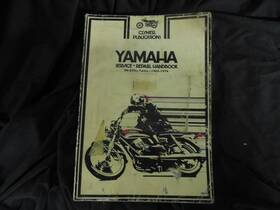
( Manufacturer Part Number: M399 ), ( Part Type: Manual ), ( Vintage Part: Yes ), ( Country Of Origin: Japan )
Review YAMAHA Clymer 90-350cc Service Manual fits TWINS 1965–1974
The **Yamaha M399 Clymer Service Manual (B1074) for 90-350cc Twins (1965 1974)** is an indispensable, meticulously crafted resource for enthusiasts, mechanics, and restorers seeking to maintain, repair, or revive Yamaha s legendary twin-cylinder motorcycles from the mid-1960s through the early 1970s. This comprehensive manual, published by Clymer Publications a trusted name in motorcycle literature covers the entire spectrum of Yamaha s iconic models, including the **Yamaha DT1, DT2, DT250, DT360, DT400, DT500, DT600, DT750, and the high-performance YDS1 (Yamaha Dual Sport) and YDS2**, as well as the classic **Yamaha DT100 and DT125** in their early iterations. With a focus on the **90cc to 350cc twin-cylinder engines**, this manual delves into the mechanical intricacies of Yamaha s air-cooled, two-stroke and four-stroke designs, offering step-by-step guidance that bridges the gap between vintage engineering and modern restoration techniques.
What sets this manual apart is its **unparalleled depth and clarity**, blending technical precision with practical insights to empower both novice and experienced mechanics. The text begins with an **introductory section** that outlines the evolution of Yamaha s twin-cylinder engines during this era, highlighting key innovations such as the **rotary valve mechanism** (used in the DT models), **piston-port timing**, and the transition from **two-stroke to four-stroke** configurations. This historical context not only enriches the reader s understanding but also provides a foundation for diagnosing issues specific to these models, which often stem from unique design quirks or wear patterns associated with their time.
The **detailed disassembly and assembly procedures** are presented with an almost surgical level of detail, ensuring that even the most intricate components such as the **crankshaft bearings, camshaft mechanisms, and carburetor setups** are addressed with clarity. For the **two-stroke models**, the manual explains the **port timing adjustments**, **piston ring selection**, and **cylinder head gasket replacements**, which are critical for maintaining optimal performance and preventing catastrophic failures. Meanwhile, the **four-stroke sections** cover **valve adjustments, timing belt replacements, and cylinder head overhauls**, offering precise torque specifications and alignment techniques that are essential for preserving the engine s longevity. The inclusion of **exploded views** and **part numbering** further simplifies the identification and replacement of components, reducing the guesswork often associated with working on vintage machinery.
Beyond mechanical breakdowns, the manual also addresses **electrical systems**, including **ignition timing, coil and capacitor replacements, and wiring diagrams**, which are particularly valuable for restoring the **Yamaha YDS models** or models equipped with **points-based ignition systems**. The **fuel system chapters** provide exhaustive details on **carburetor tuning, jet sizing, and float level adjustments**, ensuring that riders can optimize throttle response and fuel efficiency a critical consideration for both classic racing and daily riding. Additionally, the manual covers **suspension and steering components**, including **fork overhauls, shock absorber adjustments, and brake system maintenance**, which are often overlooked but crucial for the safe and comfortable operation of these bikes.
One of the most valuable aspects of this manual is its **troubleshooting section**, which systematically addresses common issues such as **excessive oil consumption, rough idling, or compression loss**, offering diagnostic steps that lead the reader to the root cause of problems. Whether dealing with a **seized piston in a two-stroke engine** or a **failing timing belt in a four-stroke**, the manual provides **step-by-step solutions** that are both practical and rooted in Yamaha s original engineering principles. The inclusion of **specific torque values, gasket types, and lubrication recommendations** ensures that restorers can achieve a level of precision that aligns with the original build standards, thereby enhancing the bike s performance and resale value.
For collectors and restorers, the **B1074 manual** serves as an **archival guide** to Yamaha s golden era, capturing the essence of a time when these motorcycles were at the forefront of off-road and dual-sport innovation. The manual s **durable, spiral-bound format** and **high-quality printing** make it a **long-lasting reference**, ideal for use in a workshop or on the go. Whether you re **stripping down a DT1 for a complete rebuild**, **diagnosing a mysterious misfire in a YDS2**, or **upgrading the suspension on a DT400**, this manual is an **unmatched companion**, blending **historical accuracy with modern practicality** to ensure that your Yamaha twin-cylinder remains in peak condition for generations to come.
### Pros and Cons of buying a *Yamaha M399 Clymer Service Manual (1965 1974, 90 350cc Twins)*
#### **Pros**
1. **Comprehensive Coverage** The Clymer manual for Yamaha s M399 series (which includes models like the M399, M499, and M599 twins) provides detailed, step-by-step instructions for maintenance, repair, and overhaul. This is invaluable for owners who want to work on their bikes themselves rather than relying solely on dealers or mechanics.
2. **Historical Accuracy** Yamaha s early twins (1965 1974) were mechanically complex, and many parts are no longer in production. A well-written manual like this ensures you can diagnose issues correctly and perform repairs without guesswork, preserving the bike s original integrity.
3. **Cost Savings** For rare or discontinued models, professional labor can be expensive. Owning a manual allows you to perform routine maintenance (oil changes, valve adjustments, carburetor tuning) and minor repairs (brake overhauls, chain adjustments) at a fraction of the cost.
4. **Learning Resource** Even if you re not planning to do all repairs yourself, studying the manual helps you understand how your bike works. This knowledge is useful for troubleshooting, communicating with mechanics, and appreciating the engineering behind these classic machines.
5. **Reliability for Restoration Projects** If you re restoring a vintage Yamaha twin, this manual is essential. It covers everything from frame alignment to electrical systems, ensuring you follow proper procedures rather than relying on outdated or incorrect information.
6. **Widely Respected Brand** Clymer manuals are known for their clarity, thoroughness, and historical accuracy. They are trusted by motorcycle enthusiasts, mechanics, and restorers alike, making this a reliable purchase.
7. **Applicability to Multiple Models** The 90 350cc range covers several Yamaha twins from that era, including the M399 (350cc), M499 (499cc), and others. A single manual can serve multiple bikes, making it a cost-effective choice for collectors.
---
#### **Cons**
1. **Age of Information** While Clymer manuals are generally reliable, some details may not account for modern aftermarket parts or newer diagnostic techniques. Safety standards, emissions regulations, and part availability have changed since the 1970s, so some procedures may need adaptation.
2. **No Digital Access** Physical manuals require physical space and can be lost or damaged. If you prefer digital resources (eBooks, PDFs), you may need to seek alternative formats, which could be more expensive.
3. **Limited Scope for Major Modifications** The manual focuses on maintenance and repairs rather than customization or major engine modifications. If you re planning extensive tuning (e.g., big bore kits, high-performance camshafts), you may need additional resources or expert guidance.
4. **Potential for Wear and Tear** Older manuals, especially if they ve been heavily used, may have faded text, torn pages, or missing sections. Buying a used copy could mean dealing with these issues unless you purchase a restored or high-quality version.
5. **Not a Complete Guide for All Systems** Some specialized systems (e.g., early electronic ignition setups, if applicable) might not be covered in depth. Yamaha s later models incorporated more advanced electronics, but the 1965 1974 range was primarily mechanical.
6. **Learning Curve for Beginners** If you re new to motorcycle mechanics, the manual s technical language and detailed steps might be overwhelming. You may need supplementary resources or mentorship to fully utilize it.
---
### **Conclusion**
The *Yamaha M399 Clymer Service Manual (1965 1974, 90 350cc Twins)* is an excellent investment for owners, restorers, and enthusiasts of these classic Yamaha twins. Its comprehensive coverage, historical accuracy, and cost-effectiveness make it a valuable tool for maintaining, repairing, and understanding your bike. While it has some limitations such as being a physical copy, not covering modern modifications, or requiring adaptation for rare cases these drawbacks are outweighed by its reliability and depth for the intended purposes.
For anyone serious about preserving, repairing, or working on a Yamaha M-series twin from that era, this manual is highly recommended. It bridges the gap between dealing with a dealer (who may charge premium rates for rare models) and attempting repairs without proper guidance. If you re willing to supplement it with additional resources (e.g., YouTube tutorials, forums, or aftermarket guides), it becomes an even more powerful tool.
### **Final Recommendation**
**Buy the manual.** Whether you re a seasoned mechanic or a passionate beginner, it is an essential companion for any Yamaha M399/M499/M599 owner. Prioritize a well-preserved copy (preferably in good condition) to ensure longevity. Pair it with online communities (like Yamaha forums or restoration groups) for additional insights, and use it as your primary reference for maintenance and repairs. The manual will save you time, money, and frustration in the long run.
Details:
APPLICATION: 90-350cc Twins 1965-1974 M motorcycle. MRC INVENTORY NUMBER: B1074. CONDITION/: This manual appears to be complete and isn't missing any pages, the front back covers are worn/dirty but intact, print inside is bold legible. Part No M399.
FOR SALE: Yamaha Service Manual. Any major flaws in any parts are DISCLOSED to YOU, the best of our ability.
part #: m399 prices
- $18.35-$77.99
specifications cyclevintagee:
- for models: Twins
- for makes: Yamaha
- for years: 1965-1974
- mpn: M399
- part type: Manual
- vintage part: Yes
- country of origin: Japan
seller cyclevintagee:
- # reviews: 159217
- city: Appleton, Wisconsin
- rating: 99.9%
payments cyclevintagee:
- other
- credit card: Discover
- wallet: Google-pay
offer cyclevintagee:
- options: Ship-to-home
- sold: 0
- started: April 6, 2026
- quantity: 1
- best offers: True
- availability: In Stock
general cyclevintagee:
- condition: Used
- Parts Accessories > Motorcycle Scooter Parts Accessories > Other Motorcycle Scooter Parts Accessories
returns cyclevintagee:
- policy: Returns Accepted
- time: 30 Days
- paid by: Buyer
shipping cyclevintagee:
- class: Standard
- type: Fixed
- transit: 3-8 Days
- service: Standard
- cost: $5.50
Yamaha M399 Is Similar To:
- 0892872403 Yamaha Clymer Service Repair Maintenance Manual (45.9% similar) Please pay within 48HRS of winning an offer or using. I default to USPS priority, parcel select, media mail, flat rate shipping boxes, and first class whenever possible. Pre-owned clymer M405 service, repair, and maintenance manual for yamaha XLT TT500 engines. I try to describe everything the best ...(December 23rd, 2018)
- 306-28199-10 Yamaha Riders Owners Manual (38.5% similar) Why should't we. You kept your end of the deal. To the final pay notice price. What else can be said. This is a no reserve offer. Your effective bid will only be raised as necessary to outbid any other buyers. Don't be sniped. When you bid, please enter the full amount would be willing to pay for an...(March 16th, 2018)
- 34k-28197-70 Yamaha Genuine Service Manual (47.2% similar) This manual is loaded with pictures, specs, levels and a ton of important user information. This is a must have if you own or intend to machine...(June 12th, 2018)
- Yfa1f 3fa-28199-15 1993 Yamaha Owners Manual (31.5% similar) 1993 yamaha YFA1F owner's manual in excellent condition. The binding is tight and the pages are crisp. Free shipping...(September 8th, 2016)
- 3t0-28199-13 Lit-11626-03-69 Yamaha Genuine Parts Nos Owners Manual New Original Vintage Repair (28.9% similar) This is an original owners manual for a yamaha MX100K. The outside shows signs of shelf wear but inside looks like it has never been open. Great part for your vintage yamaha collection. There are 72 pages of information and pictures...(October 29th, 2018)
- Gt80c 1976 Vintage Yamaha Gtmxc Mini Motocrosser Oem Parts List Manual Nice (33.1% similar) Printed in japan by yamaha motor co. Shipping worldwide via us. Postal service. Condition manual in excellent, lightly used condition just some very light cover wear. As always, pictures are actual item. Manual is super clean and bright. Has 76 pages plus a 7 page index...(July 18th, 2016)
- Lit 10013-24-00 Yamaha Owners Service Manual (46.3% similar) I think it is for a 1977 model. It is yamaha part lit. It is in good condition, complete with no torn or missing pages. This is a used parts manual list for yamaha IT250E IT400E...(October 23rd, 2018)
- Lit-11613-06-01 Yamaha Xs650 1970-1974 Service (45.5% similar) This softcover book is in very good, clean condition with minor cover wear. Pages are crisp and bright...(May 20th, 2017)
- Lit-11613-41-73 Yamaha Oem Maintenance Service Manual (44.4% similar) You are buying on a yamaha TX750A service manual. Please see photos for specifics thanks. Overall the manual is in good usable condition...(November 20th, 2018)
- Lit-11626-03-29 Yamaha Nos Owners Manual Towny (34.5% similar) Brand new manual from dealer storage...(August 15th, 2018)
- Lit-11626-07-30 Yamaha Own Manual New Oem 782708592024 (32.2% similar) New oem yamaha RT180A own manual oem part number: lit 30ITEM only fits specific model's listed. The picture could be generic. New oem yamaha RT180A own manual oem part number: lit 30ITEM only fits specific model's listed...(October 20th, 2018)