TRIUMPH 71-3330 Push Rods
fits model: T140, Tr7rv, 750, Bonneville. make: Triumph. year: 1973–1983.
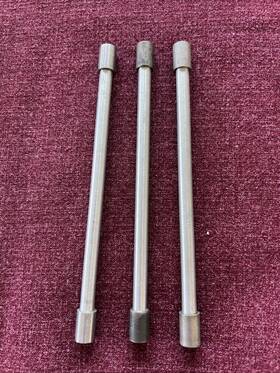
( Manufacturer Part Number: 71-3330 ), ( Part Type: Rod ), ( Unit Type: Unit ), ( Vintage Part: Yes ), ( Country Of Origin: United Kingdom )
Review TRIUMPH Push Rods Three Only fits BONNEVILLE T140 TR7RV 750 1973–1983
The Triumph Bonneville T140 750cc model, specifically the 1973 1983 iteration with the iconic **71-3330 pushrod engine** (often referred to as the TR7RV variant), stands as a timeless masterpiece of British motorcycle engineering a machine that seamlessly blends raw mechanical charm with effortless road manners. This legendary twin-cylinder pushrod engine, a refined evolution of the classic 6T and 6T designs, delivers a smooth, linear power delivery that has captivated riders for decades. The **750cc air-cooled inline twin** roars to life with a deep, resonant growl, its polished cylinder heads and exposed pushrods offering a visual and auditory symphony that is unmistakably Triumph. The engine s classic pushrod layout, complete with a single camshaft and overhead valves actuated by rocker arms, not only provides a nostalgic connection to the golden age of British bikes but also ensures a maintenance-friendly design that rewards hands-on enthusiasts. With a peak power output of around **45 50 horsepower** (depending on tuning and modifications), this engine delivers a balanced blend of torque and rev-happy character, making it equally at home on twisty backroads or cruising along open highways.
The **T140 Bonneville** chassis is a study in understated elegance, built around a sturdy **steel double-cradle frame** that balances rigidity with rider comfort. The **36-inch front fork** and **swingarm-mounted rear suspension** (with a progressive-rate spring and hydraulic shock absorber) offer a supple yet controlled ride, absorbing imperfections in the road while maintaining precise handling. The **drum brakes** (front and rear) provide reliable stopping power, though modern upgrades like disc brakes are a popular aftermarket enhancement for those seeking improved modulation. The **fuel tank**, a classic Triumph design with its smooth, rounded contours, not only houses the fuel but also contributes to the bike s iconic silhouette. The **saddle**, upholstered in durable leather or synthetic materials, cradles the rider in a relaxed, upright position, while the **ergonomic handlebars** (often adjustable) allow for a natural grip and easy control.
The **1973 1983 T140 Bonneville** was produced during a transitional era for Triumph, blending the best of the classic pushrod era with subtle refinements that made it a favorite among both purists and customizers. The **TR7RV engine** (a variant of the 71-3330) features a slightly revised cylinder head and camshaft profile, offering a more refined powerband compared to earlier models, while retaining the soulful exhaust note that has become synonymous with the Bonneville name. The **electric start** (introduced in later years) adds a touch of modernity without detracting from the bike s vintage appeal, though many riders prefer the nostalgic charm of a kickstart. The **chrome accents**, from the fuel gauge to the speedometer, exude a timeless British aesthetic, while the **black-out paint schemes** (popular in the '70s and '80s) or classic **two-tone options** allow for personalization without sacrificing authenticity.
Whether you re drawn to the **T140 Bonneville** for its historical significance, its mechanical simplicity, or its ability to be easily modified into a custom chopper, cruiser, or caf racer, this motorcycle embodies the spirit of British motorcycle craftsmanship. The **71-3330 pushrod engine** remains one of the most beloved powerplants in motorcycle history, offering a perfect marriage of performance and personality. With its **750cc displacement**, **pushrod valvetrain**, and **classic Bonneville styling**, this bike is not just a mode of transportation it s a piece of living history that continues to inspire riders of all generations. Whether you re restoring a vintage example to its former glory or building a modern replica, the Triumph T140 Bonneville 750cc stands as a testament to the enduring legacy of Triumph s engineering brilliance.
### **Pros and Cons of Buying a Triumph 71/3330 (1973 1983), Bonneville 750 (1975 1983), or TR7RV Pushrod Models**
---
### **Triumph 71/3330 (1973 1983)**
The Triumph 71/3330 was a British twin-cylinder motorcycle produced during the early 1970s, known for its simplicity, reliability, and classic styling. It was essentially a modernized version of the earlier Triumph 6T, with a 700cc parallel-twin engine.
#### **Pros:**1. **Affordability** These bikes are relatively inexpensive to purchase, especially in basic or stripped-down condition. They are often found for under 1,000 2,500, depending on condition and rarity.
2. **Simplicity** The engine is straightforward, with a pushrod-operated valve train, making it easier to work on than more complex modern bikes. Basic maintenance (oil changes, valve adjustments) can be done with minimal tools.
3. **Reliability** With proper care, the 71/3330 can be a dependable daily rider or weekend cruiser. Many examples still run after decades with minimal modifications.
4. **Classic British Design** The bike has a timeless, retro aesthetic that appeals to enthusiasts of vintage motorcycles. The round headlights, chrome accents, and upright riding position give it a nostalgic charm.
5. **Lightweight** At around 150 170 kg (330 375 lbs) dry, it s easier to handle than heavier modern cruisers, making it suitable for urban riding or short trips.
6. **Parts Availability** While not as widely available as Triumph s later models, parts for the 71/3330 are still accessible through specialist suppliers, online marketplaces, and Triumph s own archives.
7. **Modding Potential** The engine can be tuned with aftermarket parts (e.g., cams, headers, carburetor upgrades) to improve performance. Some owners have successfully built them into reliable, if not high-performance, machines.
8. **Low Running Costs** Fuel efficiency is decent for its size (around 30 40 mpg), and basic repairs are cheap compared to modern bikes.
9. **Community Support** There is a dedicated community of owners and restorers who share knowledge, tips, and parts, making it easier to troubleshoot issues.
10. **Unique Character** The bike has a distinct "old-school" feel, with a throaty exhaust note and a relaxed riding experience that appeals to those who prefer a slower pace.
#### **Cons:**1. **Outdated Technology** The pushrod engine is less efficient and powerful than modern parallel-twins or inline-fours. It lacks modern refinements like fuel injection, electronic ignition, or disc brakes (early models often have drum brakes).
2. **Poor Ergonomics** The riding position is upright and uncomfortable for long rides, with minimal wind protection. The seat is often hard and narrow, making it unsuitable for extended touring.
3. **Rust and Corrosion** Many examples suffer from rust, particularly in the frame, fuel tank, and suspension components. A thorough inspection is essential before purchase.
4. **Limited Power** The 700cc twin produces around 35 40 bhp, which is adequate for city riding but feels underpowered on highways or when carrying a passenger.
5. **Vibration** The engine can be noticeably vibration-prone, especially at higher RPMs, leading to discomfort over time.
6. **Braking Limitations** Early models often have drum brakes on the rear and front, which are less effective than modern disc brakes. Upgrading brakes can be costly.
7. **Fuel System Issues** Carburetors (often Amals or Dell Ortos) can be finicky, requiring frequent tuning and cleaning. Modern fuel standards may also cause issues with older carbureted engines.
8. **Resale Value** These bikes do not hold value well. They are often bought for parts or as project bikes rather than as investment pieces.
9. **Noise and Emissions** The exhaust note is loud and unfiltered, which may not be suitable for modern noise regulations in some areas. Retrofitting catalytic converters or mufflers can be difficult.
10. **Limited Aftermarket Support** While there is a niche aftermarket, it is not as developed as for more popular bikes like the Triumph Bonneville or Honda CB750. Finding modern components can be challenging.
---
### **Triumph Bonneville 750 (1975 1983)**
The Bonneville 750 was Triumph s flagship model during the 1970s, featuring a 750cc parallel-twin engine and a more refined design than the 71/3330. It was a popular choice for both enthusiasts and casual riders.
#### **Pros:**1. **Higher Performance** The 750cc engine produces around 50 55 bhp, making it more powerful than the 71/3330 and suitable for highway riding.
2. **Better Ergonomics** The Bonneville has a slightly more relaxed riding position compared to the 71/3330, with a slightly lower seat height and improved handlebar placement.
3. **More Refined Engine** The 750cc twin is smoother and less vibration-prone than the 700cc version, offering a more enjoyable riding experience.
4. **Classic Bonneville Aesthetics** The bike retains the iconic Bonneville nameplate, round headlights, and chrome detailing that are highly sought after by collectors.
5. **Broader Parts Availability** As a more popular model, parts for the Bonneville 750 are easier to find than for the 71/3330, including aftermarket upgrades.
6. **Potential for Restoration** Many Bonneville 750s are sought after for restoration projects, meaning there is a community of owners willing to share knowledge and parts.
7. **Modding Flexibility** The engine can be tuned with aftermarket parts (e.g., cams, headers, exhausts) to improve performance, though it remains a "plush cruiser" rather than a high-performance bike.
8. **Nostalgia Factor** The Bonneville 750 is a classic British bike that evokes the spirit of the 1970s, appealing to those who appreciate vintage motorcycles.
9. **Reliability (with Care)** With proper maintenance, the Bonneville 750 can be a reliable daily rider, especially if the engine and drivetrain are in good condition.
10. **Potential for Customization** The bike can be customized with modern components (e.g., disc brakes, suspension upgrades) to improve safety and comfort without losing its classic look.
#### **Cons:**1. **Higher Cost** Bonneville 750s are generally more expensive to purchase than the 71/3330, especially in restored or well-maintained condition. Prices can range from 2,500 to 6,000 or more.
2. **Rust and Wear** Like all vintage bikes, the Bonneville 750 is prone to rust, particularly in the frame, fuel tank, and suspension. A thorough inspection is critical.
3. **Outdated Safety Features** Many models lack modern safety features such as ABS, traction control, or advanced braking systems. Upgrading brakes can be costly.
4. **Fuel System Challenges** Carbureted engines can be finicky, requiring regular tuning and cleaning. Modern fuel standards may also cause issues.
5. **Vibration and Comfort** While smoother than the 71/3330, the engine can still vibrate at higher RPMs, and the seat and ergonomics are not ideal for long rides.
6. **Limited Modernization** Retrofitting modern components (e.g., fuel injection, electronic ignition) can be difficult and may not be worth the cost for a classic bike.
7. **Resale Value** While the Bonneville 750 holds value better than the 71/3330, it is still not a high-value investment. Most buyers are enthusiasts rather than investors.
8. **Maintenance Costs** While parts are available, labor costs for restoration or maintenance can add up, especially if working with a specialist.
9. **Noise and Emissions** The exhaust note is loud, and retrofitting modern emissions equipment can be challenging.
10. **Market Saturation** There are many Bonneville 750s on the market, meaning competition for good examples can be fierce. Buyers must be prepared to inspect thoroughly to avoid hidden issues.
---
### **Triumph TR7RV Pushrod Models (1970s)**
The Triumph TR7RV (Roadster) was a rare and experimental model based on the TR7 sports car, featuring a pushrod engine and a unique design. It is one of the rarest Triumph motorcycles, with only a handful produced.
#### **Pros:**1. **Extreme Rarity** The TR7RV is one of the rarest Triumph motorcycles ever made, making it highly collectible and desirable for enthusiasts
Details:
1973 - 1983 TRIUMPH T140 BONNEVILLE 750 TR7RV PUSH RODS 71-3330 measures 5 15/16 AUTHENTIC VINTAGE BUYER TO ASK ALL QUESTIONS AND VERIFY FIT YOUR BIKE BEFORE PURCHASING.
part #: 713330 prices
- $25.00-$95.00
specifications cyclevintagee:
- for models: T140, Tr7rv, 750, Bonneville
- for makes: Triumph
- for years: 1973-1983
- mpn: 71-3330
- part type: Rod
- unit type: Unit
- vintage part: Yes
- country of origin: United Kingdom
offer cyclevintagee:
- started: May 4, 2026
- quantity: 1
- options: Ship-to-home
- sold: 0
- availability: In Stock
general cyclevintagee:
- Parts Accessories > Motorcycle Scooter Parts Accessories > Other Motorcycle Scooter Parts Accessories
- condition: Used
seller cyclevintagee:
- rating: 99.7%
- city: Goldendale, Washington
- # reviews: 1732
payments cyclevintagee:
- credit card: Diners-club
- other
- wallet: Apple-pay
shipping cyclevintagee:
- transit: 3-8 Days
- class: Economy
- type: Fixed
- service: Economy
- cost: $10.00
returns cyclevintagee:
- paid by: Seller
- time: 30 Days
- policy: Returns Accepted
Triumph 71-3330 Is Similar To:
- 00-4226 Triumph Bonneville Tiger Oif Oem Owners Handbook Brown Wrap (34% similar) Up for offer is a triumph owners handbook 1978 model's bonneville 750 tiger 750. Take a close look at all the pictures and ask me any questions. Book is in great condition for its age...(October 11th, 2018)
- 1978 1979 T 140 E 750 T140e Triumph Bonneville Special Intake Side Actuator Lifter Sleeve (28.2% similar) In take side actuator lifter sleeve is good shape. I rotate the items as take photos so you can see whole item. Some may need further cleaning. Scroll down for more photos. On may at 07:47:28 PDT,: free. All of my parts are hand cleaned. There are scratches, as seen in the photos...(August 3rd, 2018)
- 389-203 2 Amal Triumph Bonneville Monobloc Carburetor Set Complete (35.7% similar) Slide to body fit is good. The type numbers are both and date on offer here is a complete matched dated set of anal mono bloc carburetors that were originally fitted to triumph bonneville model's between fasteners have been replanted with cadmium Bakelite floats installed. I had these carbs on my ...(October 1st, 2018)
- 47244 Lucas Genuine Alternator Stator Triumph Bonneville Es (30.1% similar) 5 volt, 150 watt. Genuine Lucas, imported from Britain. As fitted to last triumph twins, with 3-PHASE ignition electric start model's...(August 21st, 2018)
- 70-4547 Triumph Cylinder Head Gasket Bonneville Trophy Tiger (41.8% similar) Bought for a 1966 TR6 and never used triumph 650CC T120 cylinder head gasket bonneville trophy tiger...(April 23rd, 2018)
- 70-4572 Triumph Duplex Front Sprocket Bonneville (34.4% similar) Triumph 650 duplex front sprocket for model's seen light use, threads splines teeth all good. Can ship int'l at extra cost...(April 5th, 2018)
- 82-7389 Nos Jrc Brand Triumph Rear Engine Plate Shouldered Nut Bonneville (31.3% similar) This is a nos rear engine plate shouldered nut fits triumph 650 bonneville 67-70...(January 14th, 2019)
- 83-1529 F11529 Triumph License Plate Mount Bracket Bonneville Trophy New Bsa (37.3% similar) ...(January 30th, 2019)
- 83-7066 Seat 1977 Triumph Bonneville (32.7% similar) The seat was recovered back in 1980 'S. Nice shape with no tears. Seat pan in very good condition...(November 19th, 2017)
- 97-4576 Triumph Bonneville Trident Up Instrument Cup Carrier (35.8% similar) Make sure that it is correct for your application. Motorcycles listed in the title may or not be correct. Ask all questions before making a purchase. World wide shipping...(September 1st, 2018)
- 99-7507a 1982 Triumph 750 Bonneville (38.2% similar) Bonneville parts catalogue part 99-7507A you are buying on a used original not reproduction or copy factory supplied to dealers replacement for the 1982 triumph T140 750 twin. An excellent item for the owner of one these bikes or avid collector brand. Because triumph was on its way out even before...(August 8th, 2017)