YAMAHA 5JG-12461-00-00 Right Left Radiator
fits model: Yz426f, Yz426, Yz. make: Yamaha. year: 2000–2002.
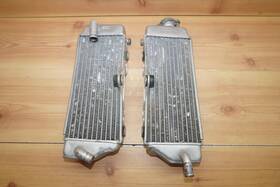
( Manufacturer Part Number: 5JG-12461-00-00 ), ( Type: Radiators Right Left Radiator ), ( Country Of Origin: Japan ), ( Placement On Vehicle: Left, Right )
Review YAMAHA 426 426f Radiators Right Left Radiator fits YZ426F YZ426 YZ 2000–2002
The **Yamaha 5JG-12461-00-00 radiator** is a high-performance, precision-engineered cooling component designed exclusively for the **Yamaha YZ426F and YZ426** dirt bikes produced in the model years **2000, 2001, and 2002**. This radiator is a critical part of the bike s thermal management system, ensuring optimal engine cooling under the most demanding riding conditions. Crafted from durable **aluminum alloy**, the radiator features a **tight-finned design** that maximizes heat dissipation while maintaining structural integrity, preventing overheating during aggressive off-road use, high-speed riding, or prolonged laps in competitive racing. The **right and left radiator halves** are symmetrically engineered to fit seamlessly into the bike s radiator housing, providing balanced airflow and efficient heat transfer. Each fin is precisely spaced to optimize airflow resistance while ensuring adequate cooling capacity, even in dusty or muddy environments where debris could otherwise clog conventional radiators. The **OEM-quality construction** guarantees a perfect fit with the original Yamaha cooling system, including the water pump, hoses, and mounting brackets, ensuring no modifications are required for installation. Whether used for track days, trail riding, or restoration projects, this radiator delivers reliable performance, helping maintain peak engine efficiency and longevity. Its robust build and compatibility with the original Yamaha cooling setup make it an ideal replacement for worn or damaged OEM components, ensuring your YZ426F or YZ426 remains cool, responsive, and ready for action.
### **Pros and Cons of Buying a Used Yamaha YZ426F (2000 2002) Radiator (Left or Right)**
#### **Pros:**1. **Compatibility and Fit** The radiator (part numbers **5JG-12461-00-00** or similar) is a direct replacement for the YZ426F, ensuring an exact fit without modifications. Yamaha s radiators are well-engineered for the bike s cooling system, maintaining proper airflow and temperature regulation.
2. **Reliability** Yamaha s radiators from this era are known for durability, especially when sourced from high-mileage bikes that were well-maintained. The aluminum construction resists corrosion better than some aftermarket alternatives, provided there are no leaks or cracks.
3. **Performance** A functioning radiator is critical for preventing engine overheating, which can lead to catastrophic failure. Replacing a failing radiator restores proper cooling, improving throttle response and longevity of the engine components (e.g., pistons, head gaskets).
4. **Cost-Effective** Purchasing a used radiator is significantly cheaper than buying a new one from Yamaha or an aftermarket brand. This makes it an attractive option for budget-conscious riders looking to restore their bike.
5. **Ease of Installation** The radiator is a straightforward component to replace, requiring only basic tools (socket set, radiator clamps, and possibly a new gasket). No major modifications to the bike are needed, making it a DIY-friendly repair.
6. **Availability of Parts** Since the YZ426F is a classic trail bike, radiators (and related components like hoses, clamps, and fans) are still relatively easy to find in used markets, eBay, or specialty motorcycle parts stores.
7. **Potential for Upgrades** If the radiator is in good condition, it can serve as a base for minor upgrades, such as cleaning the fins for better airflow or replacing old hoses with modern silicone ones for improved durability.
---
#### **Cons:** 1. **Condition and Wear** Used radiators may show signs of wear, such as:- **Leaks** (common at the seams or around the mounting points).
- **Corrosion** (especially if the bike was ridden in wet conditions or stored improperly).
- **Clogged fins** (from dirt, bugs, or debris, reducing cooling efficiency).
- **Cracked or brittle hoses** (if the bike was neglected, the rubber may degrade over time).
Checking for these issues before purchase is essential.
2. **Age-Related Failure** Radiators from the early 2000s may have developed **internal corrosion** or **weakened solder joints** over time, leading to leaks that aren t immediately visible. A pressure test (if possible) or a thorough inspection is recommended.
3. **Mismatched Components** While the radiator itself may fit, associated parts like **hoses, clamps, or the radiator fan** might be worn out. Buying a radiator without inspecting these components could lead to additional repair costs.
4. **Limited Warranty** Used parts typically come with no warranty, meaning you bear the risk of failure shortly after purchase. If the radiator leaks or fails, you ll need to replace it again, which could be frustrating.
5. **Potential for Counterfeit Parts** On platforms like eBay or Facebook Marketplace, there s a risk of receiving **fake or mismatched parts** labeled as Yamaha. Always verify the part number and compare it to a known-good radiator before buying.
6. **Installation Challenges** If the bike has been modified (e.g., aftermarket exhaust or suspension), the radiator s position or mounting points might require adjustments. This isn t common with the YZ426F, but it s worth noting if the bike has seen extensive customization.
7. **Environmental Exposure** If the radiator was stored outdoors or in a damp area, it may have absorbed moisture, leading to **internal rust** or **scaling** that isn t visible until the bike is running. This can cause premature failure.
---
### **Conclusion:**Buying a used Yamaha YZ426F radiator (left or right) can be a **cost-effective and practical solution** for restoring cooling performance, especially if the radiator is in good condition. The key to success lies in **thoroughly inspecting the part** before purchase looking for leaks, corrosion, and proper fitment. If you re comfortable with basic mechanical work, replacing a radiator is a manageable repair that can extend the life of your bike s engine.
However, if the radiator shows signs of **severe wear, leaks, or internal damage**, it may be more economical to invest in a **new or high-quality aftermarket radiator** to avoid repeated failures. Additionally, always pair the radiator with **new hoses and clamps** to prevent future issues.
---
### **Recommendation:** 1. **Inspect the Radiator Closely** Look for:- Visible leaks or cracks.
- Rust or pitting inside the tank (if you can see inside).
- Clean fins (no excessive dirt or bug damage).
- Intact mounting points and clamps.
2. **Test for Leaks** If possible, fill the radiator with water and apply pressure (or check for bubbles when running the bike). A leaky radiator is a dealbreaker.
3. **Buy from a Trusted Source** Prefer sellers with **positive reviews, clear photos, and detailed descriptions**. Avoid "too good to be true" deals that lack documentation.
4. **Consider a New or Rebuilt Option** If the used radiator is in questionable condition, weigh the cost against a **new OEM radiator** (available from Yamaha or authorized dealers) or a **rebuilt radiator** from a specialist.
5. **Replace Associated Components** Even if the radiator is good, replace **hoses, clamps, and the radiator fan** if they show signs of wear to prevent future problems.
6. **Budget for Additional Costs** Account for **coolant, new gaskets, and labor** (if not doing it yourself) to ensure the repair is fully completed.
**Final Verdict:** A used Yamaha YZ426F radiator is a **viable and budget-friendly choice** if inspected properly, but it requires caution to avoid hidden issues. For maximum reliability, a new or rebuilt radiator may be worth the slightly higher cost. Always prioritize quality over price to avoid repeated repairs.
Details:
2000 2001 2002 Yamaha YZ426F YZ 426 F 426F Radiators Right Left Radiator 5JG-12461-00-00: No cracks. Slightly bent. Minor fin damage.
part #: 5jg124610000 prices
- $10.49-$33.39
specifications cyclevintagee:
- for models: Yz426f, Yz426, Yz
- for makes: Yamaha
- for years: 2000-2002
- mpn: 5jg-12461-00-00
- type: Radiators Right Left Radiator
- country of origin: Japan
- placement on vehicle: Left, Right
shipping cyclevintagee:
- carrier: USPS
- service: USPS Ground Advantage, USPS Priority Mail
- type: Calculated
- cost: $15.63
- transit: 4-7 Days
- class: Standard, Expedited
payments cyclevintagee:
- credit card: Discover
- other
- wallet: Paypal
general cyclevintagee:
- condition: Used
- Parts Accessories > Motorcycle Scooter Parts Accessories > Other Motorcycle Scooter Parts Accessories
offer cyclevintagee:
- quantity: 1
- options: Ship-to-home
- availability: In Stock
- started: June 5, 2026
- sold: 0
returns cyclevintagee:
- policy: Returns Accepted
- paid by: Buyer
- time: 30 Days
seller cyclevintagee:
- rating: 99.9%
- city: Sun City, California
- # reviews: 10419
Yamaha 5JG-12461-00-00 Is Similar To:
- 1 5vy-26290-00-00 Yamaha Nos Rear View Mirror Assy Right (36% similar) This mirror came off of my r1 that fell over inside a trailer when it was being strapped down. This has been sitting in a box my garage for about 8 years now. This part is used and it only scuffed. Please see my other parts for this bike that I have sale as well...(May 9th, 2018)
- 122-15411-00-00 Yamaha Yg1 Left Crankcase (31.1% similar) Yamaha YGS1 1966 , YG1F, YG1F-D 1969 nos...(December 25th, 2017)
- 15a-15451-00 Yamaha Nos Left Stator Crank Case Cover Gasket (24.8% similar) Part may fit other model's...(January 27th, 2019)
- Rd350lc Yamaha Rz350 1983-1985 Right Handle Switch (30.6% similar) Shipping is at cost and I don't overcharge ,shipping in Canada is this part is in good condition and just need paint, throttle tube is not split and connectors are good. Yamaha RZ350 RD350LC right switch block with throttle for model's...(March 5th, 2016)
- 1g1-21711-00-00 Yamaha Side Number Plate Left Ahrma Vintage (28.8% similar) Used TT500 left number plate usable condition no hardware sun faded see pictures...(April 30th, 2018)
- 1t2-21721-00-00 Yamaha Right Side Body Frame Cover Panel Xt Enduro Oem (30.5% similar) Any questions. No cracks or breaks. They may not be clean. Not looking at the pictures, reading. Shipping domestic. Please look at all the pictures and read whole. They may need some repairs. We answer all questions. Yamaha right side COVERXT500 1977 cover is in used condition. Not asking ...(October 16th, 2018)
- Xs650 256-15451-00 Nos New Yamaha Xs1 Xs2 Tx650 Right Crank Case Clutch Cover Gasket (22.5% similar) Up for offer is a nos new old stock yamaha XS1 XS2 XS650 TX650 right crank case clutch cover gasket. This part does not include the original packaging. Please see chart in pictures for correct model application...(November 1st, 2016)
- Tx650 256-27421-00 Nos 1970-73 Yamaha Xs1 Right Footpeg Bracket Xs2 (22.4% similar) Up for sale is a new old stock right foot peg bracket for your yamaha XS1, 1972 XS2 and 1973 TX650. Approx shipping weight when boxed is 2LBS...(May 31st, 2016)
- 257-w1541-01-00 Yamaha Oem Left Engine Crankcase Cover Worm Gear Enduro (20.6% similar) We never got it done so I am parting them out here. Free shipping. I had a couple of yamaha JT1 motorcycles that was restoring with my son. This cover is nice and hard to find. Please reference photo for condition...(July 30th, 2018)
- 265-15111-00-00 Yamaha Engine Case Left Side Nos (32.4% similar) Can ship int'l at extra cost. Yamaha left engine case, nos never installed, replacement side crankcase for HT1 90, 1972 LT2 1/1 973 LT3 RS1 a little dusty, showing minor wear from long-term storage, has blank serial number space...(June 20th, 2018)
- 2g2-24710-00-00 Yamaha Oem Left Front Footrest Assembly New (30.1% similar) Brand new oem yamaha left footrest assembly. It is a genuine yamaha part oem 2G2 and fits 78 XS750SE SE-11, 79 XS750F sf, 80 XS850G sag 81 XS850H LHS sh. Marketing, listing apps, application. This is a front footrest assembly for the left side of bike and comes complete. This part is no longer ...(July 25th, 2018)