YAMAHA 5G2-27311-00-R4 Kick Stand
fits model: Xj, 750, Maxim. make: Yamaha. year: 1981–1983.
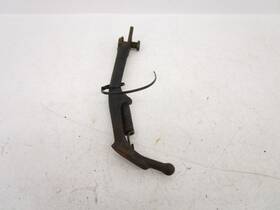
( Manufacturer Part Number: 5G2-27311-00-R4 )
Review YAMAHA Kick Side Stand fits MAXIM XJ 750 1981–1983
The **Yamaha 5G2-2-7311-00-R4** is a meticulously crafted replacement kickstand for the iconic **1981 1983 Yamaha XJ750 Maxim**, a motorcycle renowned for its timeless design, rugged performance, and enduring appeal among enthusiasts. This genuine OEM (Original Equipment Manufacturer) part is engineered to deliver the same reliability and precision as the original component, ensuring a seamless fit and optimal functionality for your Maxim. Crafted from high-quality materials, the kickstand is built to withstand the demands of daily riding, whether you're cruising along scenic backroads or tackling urban commutes. Its sturdy construction not only enhances stability when the bike is stationary but also contributes to the overall durability of your XJ750, a model celebrated for its balance of power and versatility. The **5G2-2-7311-00-R4** stands out as a testament to Yamaha s commitment to quality, offering a perfect blend of form and function for riders who demand nothing less than excellence. Whether you're restoring a classic Maxim or maintaining a well-loved ride, this kickstand is an essential upgrade that preserves the integrity of your motorcycle s heritage while ensuring it remains ready for the road ahead.
### Yamaha XJ-750 Maxim (1981-1983) with 5G2-27311-00-R4 Engine: Pros and Cons
#### **Pros**
1. **Classic Naked Bike Design**
The XJ-750 Maxim is a timeless, minimalist motorcycle known for its clean, functional styling. Its lack of fairings makes it an excellent choice for riders who prefer a straightforward, no-frills riding experience. The design remains popular among enthusiasts for its simplicity and aesthetic appeal.
2. **Reliable and Proven Engine**
The 740cc parallel-twin engine (5G2) is a well-regarded powerplant, known for its smooth operation, durability, and ease of maintenance. Yamaha s parallel-twin design is less prone to the common issues of V-twins or inline fours, such as oil leaks or complex balancing problems. The 5G2 engine is also relatively simple to work on, making it accessible for DIY mechanics.
3. **Good Performance for Its Era**
The XJ-750 delivers a balanced mix of power and torque, producing around 55-60 horsepower and 50 lb-ft of torque. While modern bikes offer significantly more power, the XJ-750 s engine is still capable of handling highway speeds comfortably and offers a satisfying ride. Its power delivery is linear and predictable, making it a pleasant bike to ride.
4. **Lightweight for a Mid-Sized Bike**
At around 450-470 lbs (204-213 kg), the XJ-750 is lighter than many modern naked bikes, which often weigh 500 lbs or more. This makes it easier to maneuver, especially in urban environments or when parking.
5. **Strong Aftermarket Support**
The XJ-750 has been around for decades, ensuring a vast array of aftermarket parts, modifications, and tuning options. From performance upgrades (e.g., cams, headers, exhaust) to cosmetic enhancements (e.g., paint, handlebars, seats), there are countless ways to customize the bike to suit personal preferences.
6. **Ease of Maintenance and Repairs**
The simplicity of the engine and the bike s mechanical design means that routine maintenance (oil changes, valve adjustments, chain care) is straightforward. Many mechanics and even some DIY riders find the XJ-750 easier to work on compared to more complex modern bikes.
7. **Resale Value and Collectibility**
The XJ-750 is a highly sought-after classic, especially in well-maintained or restored condition. While it may not hold value like a rare or limited-edition bike, it remains a solid investment for collectors and enthusiasts. A properly cared-for XJ-750 can fetch a good price in the used market.
8. **Versatility**
The XJ-750 is suitable for a variety of riding styles, including commuting, touring (with minimal modifications), and weekend rides. Its upright riding position and balanced weight make it comfortable for longer rides, though it is not as well-equipped for long-distance touring as dedicated tourers.
9. **Historical Significance**
The XJ-750 was Yamaha s first mass-produced motorcycle in the U.S. and played a significant role in establishing Yamaha as a major player in the global motorcycle industry. Owning one connects you to a piece of motorcycle history.
10. **Affordability**
Compared to modern naked bikes or other classics, the XJ-750 is relatively affordable, especially in the used market. A well-maintained example can be purchased for a few thousand dollars, making it accessible to riders on a budget.
---
#### **Cons**
1. **Aging Technology**
The XJ-750 is nearly 40 years old, and its technology is outdated by modern standards. Features like basic lighting, minimal ergonomics, and no electronic aids (e.g., ABS, traction control, fuel injection) make it less safe and less convenient compared to contemporary bikes.
2. **Poor Ergonomics**
The riding position is upright but can be uncomfortable for taller riders due to the limited adjustability of the seat, handlebars, and footpegs. The stock ergonomics may require modifications (e.g., aftermarket handlebars, seat, or footrests) to achieve a comfortable fit.
3. **Basic Braking System**
The XJ-750 is equipped with drum brakes at the rear and a single disc at the front (depending on the model year). Drum brakes are less effective at stopping power and are prone to fade under heavy use. Upgrading to modern disc brakes is a common and recommended modification.
4. **Fuel Efficiency**
The XJ-750 is not fuel-efficient by modern standards, averaging around 40-50 mpg (6.8-5.6 L/100km). This can add up to higher fuel costs, especially for long-distance riding.
5. **Noise and Vibration**
The parallel-twin engine, while smooth, can be noisy, particularly at higher RPMs. The lack of modern sound insulation means that wind and engine noise are more pronounced. Vibration levels can also be higher than in modern bikes with more refined suspension and frame designs.
6. **Limited Comfort for Long Rides**
While the XJ-750 is comfortable for short to moderate rides, it lacks modern amenities such as windshields, heated grips, or ergonomic seating that make long-distance touring more enjoyable. Riders planning extended trips may need to invest in aftermarket accessories.
7. **Rust and Corrosion**
Older motorcycles, especially those exposed to harsh weather or poor storage conditions, are prone to rust and corrosion. The XJ-750 s frame, fuel tank, and other metal components may require inspection and potential repairs if the bike has been neglected.
8. **Parts Availability**
While the XJ-750 has a strong aftermarket, some parts (especially OEM or rare components) can be difficult to source. Prices for genuine Yamaha parts may also be higher than for modern bikes, as they are no longer in mass production.
9. **Safety Concerns**
The lack of modern safety features such as ABS, traction control, and advanced lighting makes the XJ-750 less safe in high-speed or adverse conditions. Riders must be cautious and potentially invest in aftermarket safety upgrades.
10. **Maintenance Costs Over Time**
While initial maintenance is affordable, the cumulative cost of repairs and upgrades can add up, especially if the bike is not well-maintained. Older bikes may require more frequent attention to keep them running smoothly, and labor costs for specialized mechanics can be higher.
11. **Emissions and Legal Restrictions**
Depending on the region, older motorcycles may face restrictions on emissions or registration requirements. Some areas have laws limiting the use of bikes without modern safety features (e.g., turn signals, reflectors). Always check local regulations before purchasing.
12. **Limited Technology for Modern Riders**
Features like digital dashboards, Bluetooth connectivity, or integrated navigation systems are absent on the XJ-750. Riders who rely on modern tech for navigation, music, or telemetry may find the bike less practical.
---
### **Conclusion**
The Yamaha XJ-750 Maxim (1981-1983) is a fantastic choice for riders who appreciate classic design, simplicity, and a nostalgic riding experience. Its reliable engine, strong aftermarket support, and affordability make it an attractive option for enthusiasts, collectors, or those looking for a no-nonsense bike. The XJ-750 is ideal for riders who prioritize mechanical satisfaction, enjoy tinkering with their bike, and are comfortable with its limitations.
However, the XJ-750 is not suited for riders seeking modern comforts, safety features, or high-performance capabilities. Its aging technology, poor ergonomics, and lack of amenities may make it impractical for daily commuting or long-distance touring without significant modifications. Additionally, the bike requires more attention to maintenance and may not be as safe as contemporary motorcycles.
For the right buyer the one who values history, simplicity, and the joy of riding a well-crafted classic the XJ-750 is an excellent investment. For others, especially those prioritizing safety, convenience, or performance, a modern naked bike or a more modern classic (e.g., a 2000s-era Yamaha MT-03 or a restored Honda CBR600RR) may be a better fit.
---
### **Recommendation**
**Buy the Yamaha XJ-750 Maxim if:**- You are an enthusiast who appreciates classic motorcycles and enjoys working on or restoring bikes.
- You prioritize simplicity, reliability, and a timeless design over modern amenities.
- You plan to invest in aftermarket upgrades to improve comfort, safety, and performance (e.g., disc brakes, ergonomic handlebars, exhaust, and suspension).
- You are comfortable with its limitations and willing to accept that it is not a "plug-and-play" modern bike.
- You find the bike s historical significance and collectibility appealing.
**Avoid the Yamaha XJ-750 Maxim if:**- You rely on modern safety features (ABS, traction control) or tech (Bluetooth, navigation).
- You plan to use the bike for daily commuting or long-distance touring without significant modifications.
- You prefer a more comfortable riding position or modern ergonomics.
- You are not willing to
Details:
This is a used part that has been cleaned, tested and inspected to ensure quality. Combined shipping is available for multiple items. 1981 1983 Yamaha XJ 750 Maxim.
part #: 5g22731100r4 prices
- $7.77-$28.50
specifications cyclevintagee:
- for models: Xj, 750, Maxim
- for makes: Yamaha
- for years: 1981-1983
- mpn: 5g2-27311-00-r4
shipping cyclevintagee:
- type: Fixed
- class: Expedited
- cost: $0.00
- transit: 5-8 Days
- service: Expedited
returns cyclevintagee:
- paid by: Seller
- time: 30 Days
- policy: Returns Accepted
payments cyclevintagee:
- other
- credit card: Discover
- wallet: Google-pay
seller cyclevintagee:
- rating: 99.9%
- city: Chippewa Lake, Ohio
- # reviews: 116735
general cyclevintagee:
- Parts Accessories > Motorcycle Scooter Parts Accessories > Other Motorcycle Scooter Parts Accessories
- condition: Used
offer cyclevintagee:
- started: May 16, 2026
- sold: 0
- quantity: 1
- best offers: True
- availability: In Stock
- options: Ship-to-home
Yamaha 5G2-27311-00-R4 Is Similar To:
- Yb34 Yb34 Yamaha 750 Xj Maxim (33.3% similar) Seat foam feels soft. Its in very nice condition. Yamaha 750 xj maxim XJ750-J used seat base assembly YB34 cover has a couple of tiny blemishes on it. Please review picture carefully...(November 4th, 2017)
- 12r-81960-ao Yamaha Rectifier Regulator Fits 1981-88 Seca Maxim Xj Fj Fz New Price Drop (31.4% similar) Genuine yamaha regulator rectifier, fits many 80'S Yamaha's INCLUDING1981 88 secs and maxim series, DJ FZ6 XJ400 model's. Check part number with your yamaha dealer to be sure if needed...(June 19th, 2016)
- 14t-21714-00-00 Yamaha Nos Side Cover (25.2% similar) ...(November 14th, 2017)
- 156-15621-00 Yamaha Nos Oem Kick (28.6% similar) Guaranteed to be a perfect nos yamaha part. Sold with a 30 day warranty. Its oem yamaha part number and is still in the original wrapper with parts tag. This listing is for a brand new kick starter boss designed to fit the 1964 TD1 and TDS3 model's...(November 8th, 2017)
- Xs750 1978-79 Yamaha Kick Start Pedale Accensione Pedal Arranque P Dal D Marrage (21.9% similar) Regarding compatibility, please, check with a dealer o with us before purchasing if you are not sure. Envious a Tod el XS750 1978 , en Bonn tat, Sp Li's z la en Anglia's oi Italian bitter Allen Sir per bank birdsong so Allen Sir nut Kirsten f r Vietcong Ind veranda. On mar at PST, free. Our ...(February 23rd, 2016)
- 1g1-21711-00-00 Yamaha Side Number Plate Left Ahrma Vintage (22.4% similar) Used TT500 left number plate usable condition no hardware sun faded see pictures...(April 30th, 2018)
- 1t2-21721-00-00 Yamaha Right Side Body Frame Cover Panel Xt Enduro Oem (25% similar) Any questions. No cracks or breaks. They may not be clean. Not looking at the pictures, reading. Shipping domestic. Please look at all the pictures and read whole. They may need some repairs. We answer all questions. Yamaha right side COVERXT500 1977 cover is in used condition. Not asking ...(October 16th, 2018)
- 265-15111-00-00 Yamaha Engine Case Left Side Nos (28.1% similar) Can ship int'l at extra cost. Yamaha left engine case, nos never installed, replacement side crankcase for HT1 90, 1972 LT2 1/1 973 LT3 RS1 a little dusty, showing minor wear from long-term storage, has blank serial number space...(June 20th, 2018)
- 2al-w217e-40 Yamaha Oem Ysr Side Cover Battery Lid (27.6% similar) Yamaha oem yrs side cover painted yellow item is sold as pictured...(October 13th, 2018)
- 2ex-15620-00-00 Yamaha Riva Jog Kick Crank (29.6% similar) Missing the cover 2T4 running condition. Removed from a 1987 yamaha Rivas job CE50ET scooter...(March 30th, 2019)
- 2fh-21710-00-00 Nos Yamaha Side Cover Assy (24.1% similar) Excellent condition. Oem part 2FH original package. Part has never been on a bike MOTO-4 YFM200DXT u shipping in us. Nos yamaha side cover assay...(July 3rd, 2018)