KAWASAKI 55020-018 Chain
fits model: Kx400, Kx250. make: Kawasaki. year: 1978–1979.
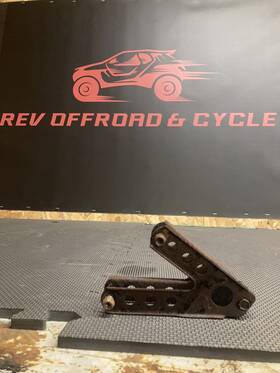
( Manufacturer Part Number: 55020-018 ), ( Part Type: Chain Guide ), ( Kx250: 1974 1975 1976 1978 1979 ), ( Vintage Part: Yes ), ( Country Of Origin: Japan ), ( Kx400: 1975 1976 )
Review KAWASAKI 1975 1976 Oem Chain Guide 1974-1976 fits KX400 KX250 1978–1979
The Kawasaki 55020-018 is a meticulously crafted replacement chain designed to deliver peak performance and reliability for a select range of iconic Kawasaki off-road motorcycles, including the legendary KX400 and KX250 models. Engineered to meet the rigorous demands of both competitive motocross and rugged trail riding, this chain is built to withstand the relentless stress of high-speed cornering, aggressive acceleration, and prolonged use in challenging terrains. The 55020-018 chain is specifically tailored for the 1975 and 1976 Kawasaki KX400, as well as the 1974 through 1976 KX250, ensuring an exact fit for these classic machines. Additionally, it serves as the perfect upgrade for the 1978 and 1979 KX250 models, offering enthusiasts the chance to restore or enhance the performance of their vintage bikes with modern durability. Constructed from high-grade, heat-treated steel, this chain features precision-machined rollers and pins that reduce friction and wear, extending the life of both the chain and the sprocket. The robust construction ensures minimal elongation, maintaining consistent power transfer and optimal handling, even under the most demanding conditions. Whether you're restoring a cherished classic or preparing for a thrilling ride on the track, the Kawasaki 55020-018 chain is a testament to Kawasaki s commitment to quality and performance, bridging the gap between vintage engineering and contemporary reliability.
### Kawasaki KX400 (1974 1976) and KX250 (1978 1979) Pros and Cons
#### **Kawasaki KX400 (1974 1976) 400cc Two-Stroke**
**Pros:**1. **Classic Design and Heritage** The KX400 is one of the most iconic off-road motorcycles ever made, embodying the golden era of motocross. Its timeless styling and reputation make it a desirable collector s item.
2. **Reliable Engine** The 400cc two-stroke engine was known for its smooth power delivery, durability, and strong low-end torque, which was excellent for the time.
3. **Lightweight and Agile** The bike was designed for motocross, making it nimble and easy to handle on trails, though it may feel heavier by modern standards.
4. **Simple Mechanics** Two-stroke engines are easier to maintain than modern four-strokes, with fewer components, making repairs and modifications straightforward for experienced riders.
5. **Strong Aftermarket Support** Parts, upgrades, and restoration kits are widely available due to its popularity, though some components may be hard to find in original condition.
6. **Potential for Restoration** A well-restored KX400 can be a stunning museum piece or a fun, vintage ride, especially for enthusiasts who appreciate classic machinery.
7. **Good for Learning** The bike s simplicity and forgiving nature make it a good choice for riders learning about two-stroke mechanics or vintage motocross.
**Cons:**1. **Poor Fuel Economy** Two-stroke engines consume fuel at an alarming rate, especially when mixed with oil, making it expensive to run.
2. **Environmental Concerns** Two-stroke engines are notoriously polluting, emitting unburned oil and hydrocarbons, which may be illegal to ride in some areas without modifications.
3. **High Maintenance Costs** Frequent oil changes, piston ring replacements, and crankshaft wear can add up over time, especially if the bike is ridden regularly.
4. **Outdated Technology** Compared to modern bikes, the KX400 lacks features like disc brakes, suspension tuning options, and electronic fuel injection.
5. **Rust and Wear** Many examples from this era suffer from rust, worn-out bearings, and degraded rubber components, requiring significant restoration work.
6. **Limited Practical Use** While fun on trails, its lack of comfort and modern amenities make it impractical for long-distance riding or daily use.
7. **Depreciation Risk** Unlike modern bikes, a KX400 s value may not hold well unless it s in pristine condition or part of a collection.
---
#### **Kawasaki KX250 (1978 1979) 250cc Two-Stroke**
**Pros:**1. **Compact and Lightweight** The smaller 250cc engine makes the bike easier to handle, especially for smaller riders or those transitioning from smaller bikes.
2. **Affordable to Acquire** Compared to the KX400, a KX250 is often cheaper to buy, making it a more accessible entry point into vintage motocross.
3. **Good for Beginners** Its smaller size and lower power output make it suitable for learning or casual riding without the intimidation of a larger bike.
4. **Simple and Repairable** Like the KX400, the 250cc two-stroke is straightforward to work on, with a strong aftermarket for parts.
5. **Fun and Playful** The bike s agility and light weight make it enjoyable for trail riding or track use, especially in a restored condition.
6. **Potential for Modifications** Many riders upgrade the engine, suspension, and exhaust to improve performance, though this requires some mechanical skill.
7. **Nostalgic Appeal** As one of the first production motocross bikes, it holds a special place in the history of the sport.
**Cons:**1. **Low Power Output** The 250cc engine is significantly less powerful than modern bikes, making it feel underpowered on modern trails or against today s standards.
2. **Fuel and Oil Consumption** Like the KX400, it guzzles fuel and oil, making it expensive to run and environmentally unfriendly.
3. **Rust and Wear** Many KX250s from this era suffer from rust, worn-out chains, and degraded components, requiring restoration.
4. **Limited Practicality** Its small size and lack of modern comforts make it unsuitable for long rides or urban use.
5. **Depreciation** Unless it s in excellent condition or part of a collection, its resale value may not justify the cost of maintenance.
6. **Outdated Safety Features** Drum brakes, basic suspension, and no modern rider aids (like ABS or traction control) make it less safe by today s standards.
7. **Harder to Find in Good Condition** Many examples are either heavily restored, missing parts, or in poor mechanical condition.
---
### **Conclusion and Recommendation**
#### **For the KX400 (1974 1976):**- **Best For:** Enthusiasts who appreciate vintage machinery, collectors, or riders who enjoy restoring and maintaining classic bikes. It s ideal if you want a piece of motocross history rather than a practical riding machine.
- **Not Ideal For:** Riders who prioritize modern comfort, fuel efficiency, or practicality. If you plan to ride it regularly, be prepared for high maintenance costs and environmental concerns.
- **Recommendation:**- If you re buying it as a **project bike**, ensure you have the time, budget, and mechanical skills to restore it properly. Focus on finding one with a clean frame, intact engine, and minimal rust.
- If you re buying it as a **museum piece or display bike**, prioritize originality and condition over rideability.
- Avoid buying one in poor mechanical condition unless you re prepared for a full rebuild, as the cost may outweigh its value.
#### **For the KX250 (1978 1979):**- **Best For:** Riders who want a smaller, more affordable vintage bike for casual trail riding or as a learning tool. It s also a good choice if you re transitioning from smaller bikes or enjoy the nostalgia of early motocross.
- **Not Ideal For:** Those seeking high performance, modern safety features, or a bike that can handle rough terrain without frequent repairs.
- **Recommendation:**- If you plan to **ride it occasionally**, look for one with a serviceable engine, intact suspension, and minimal rust. Be prepared for frequent oil changes and chain adjustments.
- If you re buying it for **restoration**, target examples with original components and a clean frame, as the cost of parts and labor can add up quickly.
- Avoid buying one if you re not comfortable with two-stroke maintenance, as the engine will require regular attention to stay reliable.
#### **Final Verdict:**- **Buy the KX400 if:** You re a collector, a restorer, or someone who values the bike s historical significance over practical use. It s a fantastic investment if you re passionate about vintage motocross.
- **Buy the KX250 if:** You want a smaller, more affordable vintage bike for casual riding or as a stepping stone. It s a great choice if you re not intimidated by two-stroke mechanics and enjoy the challenge of maintaining it.
- **Avoid both if:** You re looking for a modern, low-maintenance, or fuel-efficient off-road bike. The costs of ownership (fuel, oil, parts, and labor) will likely outweigh the enjoyment for most casual riders.
#### **Alternative Considerations:**- If you re interested in vintage bikes but want something more practical, consider a **modern classic** like a Honda CR250R (1980s) or a Yamaha YZ250 (1980s), which are more reliable and easier to maintain.
- For a true collector s item, the KX400 is the better choice, but be prepared to treat it as a project or a display bike rather than a daily rider.
- If you re on a budget, the KX250 is a more accessible entry point, but expect to spend significantly on maintenance if you ride it regularly.
Ultimately, these bikes are best suited for those who appreciate their historical value and are willing to put in the effort to keep them running. For most modern riders, the practicality and cost of ownership may not justify the purchase unless it s purely for sentimental or restoration purposes.
Details:
part #: 55020018 prices
- $89.95-$113.99
specifications cyclevintagee:
- for models: Kx400, Kx250
- for makes: Kawasaki
- for years: 1978-1979
- mpn: 55020-018
- part type: Chain Guide
- kx250: 1974 1975 1976 1978 1979
- vintage part: Yes
- country of origin: Japan
- kx400: 1975 1976
general cyclevintagee:
- condition: Used
- Parts Accessories > Motorcycle Scooter Parts Accessories > Other Motorcycle Scooter Parts Accessories
payments cyclevintagee:
- wallet: Google-pay
- other
- credit card: Discover
shipping cyclevintagee:
- type: Fixed
- transit: 4-8 Days
- class: Standard
- service: Standard
- cost: $0.00
returns cyclevintagee:
- policy: No Returns
offer cyclevintagee:
- sold: 0
- options: Ship-to-home
- quantity: 1
- availability: In Stock
- started: March 2, 2026
seller cyclevintagee:
- rating: 99.8%
- city: Dorset, Ohio
- # reviews: 576
Kawasaki 55020-018 Is Similar To:
- 11004-1039 Kawasaki Nos Oem 1981-1982-1983 (39% similar) ...(October 24th, 2017)
- 11004-1130 11004-1159 11004-1130 Kawasaki New Oem (20.8% similar) One 1 new oem kawasaki gasket. Part number, satisfaction guaranteed or your money back...(November 30th, 2017)
- 11004-1327 Kawasaki Ninja Head Gasket New Oem 725984001057 (35.8% similar) The picture could be generic. New oem kawasaki gasket head oem part number: 11004-1327ITEM only fits specific model's listed. New oem kawasaki gasket head oem part number: 11004-1327ITEM only fits specific model's listed. Fits: 1998 ninja ZX-9R 1999...(July 18th, 2018)
- 11009-005 Kawasaki Nos Oem Cylinder Base Gasket (34.1% similar) Nos oem kawasaki j1 cylinder base gasket. Please reference the part number for best understanding of model fitment. This part does not include the original packaging. Please with any questions...(July 10th, 2018)
- 11009-1051 Kawasaki Oem Fuel Tank (29.4% similar) Please look at the pictures and ask any questions. This is new old stock not in factory package, kawasaki oem fuel tank cap gasket, research shows it fits: EX305 b1 1983 , KZ1000 A1-4,E1-2,J1-3,K1-2,M1-2,P1-9,R1 ,KZ1300 A1-4,B2 1979 -'82,KZ250 D1-2,L1,W1, 1980 -'83 ,KZ400 h1 1997 , KZ440 A1-4,D1...(May 28th, 2017)
- 11009-1101 Kawasaki Oem Kz1300 Zn1300 (30.1% similar) Satisfaction guaranteed or your money back. One 1 new oem kawasaki gasket...(February 11th, 2018)
- 11009-1208 Kawasaki Nos Cylinder Gasket Oem New (27.6% similar) Office kawasaki box 398. The actual item is shown. Free USA shipping. Authenticity:every item I sell is 100 authentic. Up for sale is this genuine kawasaki gasket as shown only - seen in the above photos. This is in nos unused condition. Shipping: I only ship within the USA unless otherwise noted. ...(March 2nd, 2018)
- 11009-1386 Kawasaki New Oem 1984-85 (34.2% similar) One new 1 oem kawasaki gasket. Satisfaction guaranteed or your money back...(September 26th, 2017)
- 11009-1431 Kawasaki Oem Cylinder Base (33.6% similar) This is new old stock not in factory package, kawasaki oem cylinder base gasket, research shows it fits: kl 110 A1-2,B1 -'88, kilt a1 -'86. Please look at the picture and ask any questions...(May 17th, 2017)
- 11009-1955 Kawasaki Oem Gasket Clutch (28.3% similar) It comes with free shipping. The part is brand new. I'm selling this oem gasket...(September 30th, 2017)
- 11009-2461 Kawasaki Oem Gasket Exhaust (28.1% similar) The part is brand new. It comes with free shipping. I'm selling this oem gasket...(September 30th, 2017)