YAMAHA 36Y-26122-00-00 Right Clip Handlebar Bar Straight
fits model: Fj1100, 1100, Fj, 1200. make: Yamaha. year: 1984–1987.
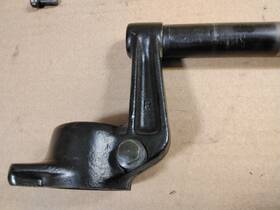
( Manufacturer Part Number: 36Y-26122-00-00 ), ( Part Type: Handlebar Bar ), ( Machine Type: Motorcycle ), ( Color: Black ), ( Item Diameter: Oem ), ( Compatible Model: Fj1100, Fj1200 ), ( Material: Steel ), ( Vintage Part: Yes ), ( Placement On Vehicle: Right, Front ), ( Unit Type: Unit ), ( Compatible Make: For Yamaha ), ( Universal Fitment: No ), ( Country Of Origin: Japan )
Review YAMAHA Right Clip On Oem Handlebar Bar Straight fits FJ1100 1100 FJ 1200 1984–1987
The **Yamaha FJ1100/FJ1200 Right-Clip Handlebar (Part #36Y-26122-00-00, 1984 1987)** is a meticulously crafted, high-performance component designed to elevate the riding experience on Yamaha s legendary FJ1100 and FJ1200 sport-touring motorcycles. This handlebar assembly, featuring a sleek, aggressive right-clip design, embodies the aggressive yet refined styling that defined Yamaha s mid-1980s sport-touring lineup. Crafted from durable, high-grade steel, the handlebar is engineered to deliver exceptional rigidity and precision, ensuring minimal flex under hard cornering or high-speed cruising. The right-clip design not only enhances the bike s sporty aesthetic but also provides a more aggressive, forward-leaning grip, allowing riders to maintain optimal control during high-speed maneuvers or aggressive cornering. The bar s smooth, polished finish and ergonomic contours offer a comfortable yet sporty feel, catering to both the casual rider and the enthusiast who demands performance without sacrificing style. Whether paired with the FJ1100 s 1,088cc inline-four engine or the FJ1200 s slightly detuned yet still potent 1,188cc variant, this handlebar bar is a key element in achieving the perfect balance of sportiness and touring capability. Ideal for restomod projects, classic bike restorations, or enthusiasts seeking to preserve the original factory look, this part is a must-have for those who appreciate the timeless design of Yamaha s iconic FJ series. Its compatibility with the 1984 1987 model years ensures a seamless fit, allowing riders to enjoy the thrill of a modern ride while honoring the heritage of these legendary machines.
### Yamaha FJ1100/FJ1200 (1984 1987) with Straight Clip-On Handlebar (Part #36Y-26122-00-00)
The Yamaha FJ1100 (later FJ1200) is a classic 700cc parallel-twin motorcycle known for its reliability, timeless design, and strong aftermarket support. The straight clip-on handlebar (part #36Y-26122-00-00) is a popular modification for those who prefer a more upright riding position. Below are the key pros and cons of purchasing this bike in its original or modified form.
---
### **Pros**
1. **Reliability and Durability**
The FJ1100/FJ1200 is renowned for its robust engine and chassis. The parallel-twin design is simple yet efficient, with few critical failure points. Many examples easily exceed 200,000 miles with proper maintenance. The frame and suspension are sturdy, making it a durable daily rider or touring machine.
2. **Strong Aftermarket Support**
Yamaha s parallel-twin platform has been around since the 1970s, ensuring a vast array of parts, upgrades, and modifications. Aftermarket manufacturers produce performance parts (e.g., cams, pistons, exhausts), ergonomic upgrades (seats, handlebars, footpegs), and even modernized components (ECU remaps, fuel injection conversions). This makes maintenance and customization relatively straightforward.
3. **Classic Aesthetics with Modern Appeal**
The FJ1100 s retro styling round headlight, classic fuel tank, and timeless twin exhaust remains popular among enthusiasts. The bike s design is instantly recognizable and appeals to those who appreciate vintage motorcycles without sacrificing practicality. The straight clip-on handlebar further enhances its classic look while improving comfort for shorter riders or those who prefer a more upright posture.
4. **Comfortable and Versatile Riding Position**
The stock handlebars are often criticized for being too low and forward, leading to wrist strain. The straight clip-on bar (36Y-26122-00-00) raises the handlebars, reducing strain and improving visibility. This modification is particularly beneficial for riders of varying heights, making the bike more comfortable for daily use or longer rides. The FJ1100/FJ1200 also offers a stable, forgiving ride, making it suitable for both city commuting and highway cruising.
5. **Ease of Maintenance**
The FJ1100/FJ1200 is relatively easy to work on, especially for those with basic mechanical skills. Many components are accessible, and the engine s simplicity means fewer things can go wrong. Yamaha s manuals and online resources are plentiful, aiding in DIY repairs. The bike s lack of complex electronics (pre-ECU days) also reduces the risk of modern tech failures.
6. **Good Fuel Economy**
For its size and power, the FJ1100/FJ1200 offers respectable fuel efficiency. On average, it consumes around 40 50 mpg (6.5 5.3 L/100km) in city driving and slightly less on the highway. This makes it a cost-effective choice for daily use compared to larger modern bikes.
7. **Resale Value and Community**
The FJ1100/FJ1200 holds its value well within the classic motorcycle market. Its reputation for reliability and the strong aftermarket ensure that parts and bikes remain in demand. Owning one connects you to a passionate community of enthusiasts, from restoration groups to riding clubs, which can be incredibly rewarding.
8. **Power and Performance**
The FJ1100 produces 75 hp (later FJ1200 with 80 hp) and delivers a smooth, linear powerband that s enjoyable for both cruising and spirited riding. With aftermarket upgrades (e.g., cams, headers, or exhausts), performance can be significantly enhanced. The bike s weight (around 450 500 lbs) also provides stability at speed.
9. **Touring Capabilities**
While not a dedicated touring bike, the FJ1100/FJ1200 can handle long-distance rides comfortably, especially with aftermarket saddlebags and a windscreen. Its upright riding position and smooth suspension make it more forgiving than many modern sportbikes or naked bikes.
10. **Affordability**
Compared to modern motorcycles, the FJ1100/FJ1200 is relatively inexpensive to purchase, especially in used form. Parts are also affordable, and the bike s simplicity reduces long-term costs. This makes it an attractive option for riders on a budget who still want a high-quality machine.
---
### **Cons**
1. **Outdated Technology**
The FJ1100/FJ1200 lacks modern advancements such as electronic fuel injection (EFI), traction control, or advanced suspension systems. The carbureted engine (CV carburetors on the FJ1100, later transitioning to Mikuni on the FJ1200) can be finicky and requires regular tuning. This makes the bike less convenient for riders who prefer hands-off technology.
2. **Poor Visibility**
The stock round headlight and low handlebars can create blind spots and reduce visibility, especially in traffic. While the straight clip-on bar improves this somewhat, it doesn t fully address the limitations of the original design. Aftermarket LED headlights and windshields can help, but they add cost and complexity.
3. **Comfort Limitations**
The stock seat is firm and not designed for long rides. While the clip-on bar helps with the riding position, the lack of modern ergonomics (e.g., adjustable seats, footpegs) can make extended touring uncomfortable. Upgrading the seat and footpegs is recommended for serious long-distance riders.
4. **Weight and Handling**
The FJ1100/FJ1200 is heavier than many modern bikes, which can make it feel sluggish in corners and less nimble at low speeds. While it handles well for its size, it lacks the agility of a sportbike or the lightweight feel of a modern naked bike. The suspension is adequate but not as refined as contemporary systems.
5. **Maintenance Requirements**
While the bike is simple, it does require regular maintenance to keep it running smoothly. Carburetors need frequent cleaning and adjustment, and the lack of modern diagnostics can make troubleshooting more challenging. Riders must be prepared to spend time and effort on upkeep.
6. **Noise and Vibration**
The parallel-twin engine produces noticeable vibration, especially at higher RPMs. While this is part of the bike s charm for some, it can be fatiguing during long rides. The exhaust note is also loud and traditional, which may not appeal to riders seeking a quieter or more modern sound.
7. **Limited Modern Safety Features**
The FJ1100/FJ1200 lacks ABS, cornering ABS, or advanced braking systems. While the drum brakes (on early models) or disc brakes (on later models) are functional, they are not as effective as modern systems in stopping power or stability. Riders must rely on their skills to handle the bike safely.
8. **Parts Availability Can Be Hit-or-Miss**
While the aftermarket is strong, some parts especially for older models may be harder to find. It s wise to source parts in advance or invest in a well-documented bike to avoid delays. The transition from FJ1100 to FJ1200 (1988 ) involves some changes, so verifying the exact model is crucial.
9. **Resale Depreciation**
While the FJ1100/FJ1200 holds its value better than many modern bikes, it is not an appreciating asset. Classic motorcycles can sometimes gain value over time, but this is not guaranteed. Buyers should be prepared for the possibility of depreciation, especially if the bike is heavily modified.
10. **Environmental and Legal Considerations**
The bike s carbureted engine may not meet modern emissions standards in some regions, potentially limiting where it can be ridden or requiring modifications to pass inspections. Additionally, the lack of catalytic converters or modern emissions controls means it may not be suitable for areas with strict environmental regulations.
---
### **Conclusion**
The Yamaha FJ1100/FJ1200 with a straight clip-on handlebar is an excellent choice for riders who appreciate classic design, reliability, and a strong aftermarket. It offers a comfortable, upright riding position, good fuel economy, and a smooth power delivery that makes it enjoyable for both daily use and longer rides. The bike s simplicity and durability also make it a practical option for those who enjoy working on their own machines.
However, the lack of modern technology, visibility issues, and comfort limitations may be drawbacks for some. Riders who prioritize convenience, safety features, or agility might find more contemporary bikes more suitable. That said, for enthusiasts who value the FJ s timeless appeal and are willing to invest time in maintenance and upgrades, this bike remains a fantastic choice.
---
### **Recommendation**
**Buy the Yamaha FJ1100/FJ1200 with the straight clip-on handlebar if:**- You appreciate classic motorcycle design and want a bike that blends retro aesthetics with
Details:
Includes mounting bolts. Fits FJ 1100 1200 1984 -1987. Very good condition, straight, all threads. These have been discontinued by Yamaha.
Message with any questions. Right side handlebar assembly from a 1985 Yamaha FJ1100. Free shipping for the contiguous 48 USA only. AK, HI and PR must request a shipping quote prior to purchase.
part #: 36y261220000 prices
- $34.99-$92.00
specifications cyclevintagee:
- for models: Fj1100, 1100, Fj, 1200
- for makes: Yamaha
- for years: 1984-1987
- mpn: 36y-26122-00-00
- part type: Handlebar Bar
- machine type: Motorcycle
- color: Black
- item diameter: Oem
- compatible model: Fj1100, Fj1200
- material: Steel
- vintage part: Yes
- placement on vehicle: Right, Front
- unit type: Unit
- compatible make: For Yamaha
- universal fitment: No
- country of origin: Japan
shipping cyclevintagee:
- carrier: FedEx
- service: FedEx Ground / FedEx Home Delivery
- type: Fixed
- cost: $0.00
- transit: 4-8 Days
- class: Standard
seller cyclevintagee:
- # reviews: 4109
- rating: 100.0%
- city: Amelia Court House, Virginia
offer cyclevintagee:
- options: Ship-to-home
- quantity: 1
- sold: 0
- availability: In Stock
- started: April 20, 2026
general cyclevintagee:
- Parts Accessories > Motorcycle Scooter Parts Accessories > Other Motorcycle Scooter Parts Accessories
- condition: Used
payments cyclevintagee:
- credit card: Mastercard
- other
- wallet: Apple-pay
returns cyclevintagee:
- time: 30 Days
- policy: Returns Accepted
- paid by: Buyer
Yamaha 36Y-26122-00-00 Is Similar To:
- 0000 Yamaha Yg1 Yf1 Yj1 Yj2 Nos Oem Turn Signal Lens White X 2 (37.4% similar) Brand new old stock turn signal lenses white set of 2 bx TT12...(May 23rd, 2016)
- 1 5vy-26290-00-00 Yamaha Nos Rear View Mirror Assy Right (26.8% similar) This mirror came off of my r1 that fell over inside a trailer when it was being strapped down. This has been sitting in a box my garage for about 8 years now. This part is used and it only scuffed. Please see my other parts for this bike that I have sale as well...(May 9th, 2018)
- 109-14451-00 Yamaha Nos Air Filter Oem New Riverside (27.6% similar) It is in excellent new condition. Here is a nos air filter for your yamaha YJ2...(May 27th, 2018)
- 109-25437-10-00 Yamaha Nos Genuine Rear Sprocket Tooth Oem (25.2% similar) The actual item is shown. Oem part number. This is in nos unused condition. This may or not come in the original packaging. The majority of items we sale are shipped through USA postal service USPS and or FedEx with delivery confirmation. Up for sale is this genuine yamaha 37T rear sprocket part as ...(January 7th, 2019)
- 11613-67-73 Yamaha Oem Gt1-gtmx 1973-74 (24.2% similar) Hard to find item. Outer cover is very lightly soiled as shown in picture...(August 15th, 2017)
- 122-25437-10-33 122-25437-11-33 Yamaha Rear Sprocket Oem (21.2% similar) They cannot be combined after have been paid for. It cannot be tracked outside of the states and insured. Parts come in every day. The shipping price is based on weight and measurements of box. New old stock oem part. If your application is not listed as fitting, do purchase it. Do your homework and...(August 12th, 2018)
- 124-26335-10-00 Yamaha Clutch Cable New Oem 766856459729 (21.5% similar) New oem yamaha cable clutch oem part number: qty 1 previous: 00ITEM only fits specific model's listed. The picture could be generic. New oem yamaha cable clutch oem part number: qty 1 previous: 00ITEM only fits specific model's listed...(October 1st, 2018)
- 132-16181-00 Yamaha Oem Clutch Spacer (23.1% similar) ...(April 25th, 2019)
- 136-11636-00 Yamaha Oem Piston (21.1% similar) ...(January 24th, 2019)
- 137-23441-00 Yamaha Nos Genuine Oem Upper Handlebar Clamp Cap New (35.4% similar) Shipping: I only ship within the USA unless otherwise noted. This is in new unused condition. This shows wear from being stored, handled and or displayed. May fit other years and or model's but I am unsure which specifically. This is a oem part number: up for sale nos genuine yamaha upper handlebar ...(July 15th, 2018)
- 150-11601-10-00 Yamaha New Oem Piston (21.5% similar) Please research the part number to make sure this is correct for your model and year before buying or purchasing. This part may also fit other model's than what I have listed in the title. Not all years use the same part number...(November 5th, 2017)