SUZUKI 34210-45604 Tach Tachometer
fits model: 750e, Gs. make: Suzuki. year: 1977–1979.
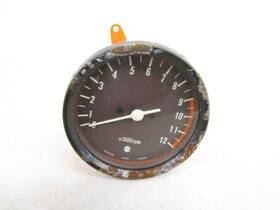
( Manufacturer Part Number: 34210-45604 ), ( Part Type: Tachometer )
Review SUZUKI Tach Tachometer fits 750E GS 1977–1979
The **Suzuki 34210-45604 Tachometer** is a meticulously crafted, high-performance instrument designed exclusively for the iconic **1977 1979 Suzuki GS750E**, a legendary motorcycle that blends raw power with timeless Japanese engineering. This aftermarket tachometer is a precision-engineered replacement for the stock unit, offering superior accuracy, durability, and a refined aesthetic that complements the classic styling of the GS750E. Built with a robust, high-quality housing, the tachometer features a bright, easy-to-read analog dial with a sleek, retro-inspired design that enhances the motorcycle s vintage appeal while ensuring optimal visibility under all riding conditions. The needle, crafted from durable metal, responds with smooth precision to the engine s RPM fluctuations, providing real-time feedback that allows riders to fine-tune their throttle control for maximum efficiency and performance. Whether cruising along scenic backroads or pushing the limits on a twisty track, this tachometer delivers the confidence and clarity needed to fully appreciate the GS750E s legendary 749cc air-cooled, inline-four engine. Its reliable performance and classic styling make it an essential upgrade for enthusiasts seeking both functionality and authenticity in their restoration or customization projects.
### Pros and Cons of Buying a 1977 1979 Suzuki GS750E with a Replaced Tachometer (Part Number: 34210-45604)
#### **Pros**
1. **Classic Motorcycle Design** The GS750E is a well-regarded classic Japanese motorcycle from the late 1970s, known for its timeless styling, lightweight frame, and balanced handling. It remains a favorite among enthusiasts for its retro appeal and nostalgic charm.
2. **Reliable Engine** The 748cc air-cooled, four-stroke inline-four engine is robust and capable of producing around 55 60 horsepower, which is sufficient for highway speeds and spirited riding. With proper maintenance, these engines can last for decades.
3. **Lightweight and Maneuverable** Weighing around 400 450 lbs (dry), the GS750E is easier to handle than heavier modern bikes, making it ideal for urban riding, parking, and navigating tight spaces.
4. **Aftermarket Support** Due to its popularity, the GS750E has a strong aftermarket community. Parts, modifications, and restoration kits are widely available, making it easier to maintain or upgrade.
5. **Fuel Efficiency** For its time, the GS750E was relatively fuel-efficient, averaging around 40 50 mpg on a good tank of gas. This is still competitive compared to many modern bikes.
6. **Potential for Restoration** If purchased in a condition that requires work, a GS750E can be a rewarding project bike. Restoring one to original or modified specifications can be a fulfilling hobby.
7. **Lower Operating Costs (Compared to Modern Bikes)** Fuel, insurance, and maintenance costs are generally lower than those of contemporary motorcycles, especially if the bike is well-maintained.
8. **Community and Events** Owning a GS750E grants access to classic bike rallies, shows, and clubs, where enthusiasts gather to share knowledge and ride together.
---
#### **Cons**
1. **Age and Wear** As a 40 year-old motorcycle, the GS750E will likely require significant maintenance, including chain adjustments, brake overhauls, and potential engine rebuilds. Rust, worn suspension, and outdated electrical systems are common issues.
2. **Outdated Safety Features** Modern safety standards (e.g., ABS, traction control, advanced braking systems) are absent. The GS750E relies on traditional drum or disc brakes (depending on model year), which may not stop as effectively as modern systems.
3. **Reliability Concerns** While the engine is durable, older bikes often suffer from neglected components like the carburetors (CV carburetors in this case), ignition systems, and fuel injection (if modified). Regular upkeep is essential to avoid breakdowns.
4. **Replaced Tachometer (34210-45604)** The tachometer replacement suggests prior neglect or a specific issue (e.g., faulty wiring, damaged gauge cluster). While a new tachometer is a positive sign, you should verify:
- Whether the replacement is genuine or aftermarket.
- If the wiring harness and connections are intact.
- Whether other gauges (speedometer, fuel, temperature) are functioning correctly.
A non-functioning or poorly installed tachometer could indicate deeper electrical problems.
5. **Emissions and Legal Compliance** In some regions, older bikes may face restrictions on emissions or require modifications to meet modern standards. Check local laws to ensure the GS750E is street-legal without additional work.
6. **High Maintenance Costs** Replacing worn parts (e.g., clutch, bearings, seals) can be expensive, especially if original or OEM parts are scarce. Aftermarket parts may not always fit perfectly.
7. **Resale Value** Classic bikes like the GS750E hold value among enthusiasts, but they depreciate over time. If you plan to sell later, the resale market may not be as lucrative as for a modern bike.
8. **Comfort and Ergonomics** The GS750E s ergonomics are dated by modern standards. The seat may be uncomfortable for long rides, and the handlebars and footpegs are less adjustable than contemporary bikes.
9. **Fuel and Parts Availability** While not as critical as in the past, finding high-quality fuel and genuine parts can be challenging. Some suppliers may no longer stock original components.
10. **Riding Experience Limitations** The GS750E lacks modern refinements like suspension tuning, wind protection, and advanced rider aids. Long-distance comfort and stability may not match newer bikes.
---
### **Conclusion**
The 1977 1979 Suzuki GS750E is an excellent choice if you value classic design, enjoy mechanical projects, and prioritize a lightweight, fun-to-ride motorcycle for short to moderate distances. Its reliability, aftermarket support, and community appeal make it a compelling option for enthusiasts. However, the age of the bike means it will require diligent maintenance, and the replaced tachometer should be thoroughly inspected to ensure no underlying issues exist.
If you are comfortable with regular upkeep, enjoy restoring or modifying bikes, and don t mind compromising on modern conveniences, the GS750E can be a rewarding and enjoyable purchase. For those seeking a hassle-free, high-performance, or long-distance-capable bike, a modern motorcycle may be a better fit.
### **Recommendation**
- **Buy if:** You are an experienced rider or mechanic, enjoy classic bikes, and are prepared for maintenance. Verify the tachometer installation and test all gauges. Consider purchasing from a reputable seller who provides a service history or allows a test ride.
- **Avoid if:** You prioritize low maintenance, modern safety features, or plan to ride long distances frequently. If the bike has a history of neglect beyond the tachometer replacement, it may not be worth the investment.
- **Negotiation Tip:** If the bike has a replaced tachometer but no other service records, ask for a lower price to account for potential hidden issues. A pre-purchase inspection by a mechanic familiar with GS750Es is highly recommended.
Details:
Combined shipping is available for multiple items. Has some light surface rust on the ring but works fine.: This is a used part that has been tested and inspected to ensure quality. 77-79 Suzuki GS 750E.
part #: 3421045604 price
- $85.00
specifications cyclevintagee:
- for models: 750e, Gs
- for makes: Suzuki
- for years: 1977-1979
- mpn: 34210-45604
- part type: Tachometer
returns cyclevintagee:
- time: 30 Days
- policy: Returns Accepted
- paid by: Seller
shipping cyclevintagee:
- service: Expedited
- cost: $0.00
- type: Fixed
- class: Expedited
- transit: 3-6 Days
general cyclevintagee:
- Parts Accessories > Motorcycle Scooter Parts Accessories > Other Motorcycle Scooter Parts Accessories
- condition: Used
payments cyclevintagee:
- credit card: Visa
- wallet: Paypal
- other
offer cyclevintagee:
- sold: 0
- options: Ship-to-home
- started: May 13, 2026
- best offers: True
- quantity: 1
- availability: In Stock
seller cyclevintagee:
- # reviews: 116498
- rating: 99.9%
- city: Chippewa Lake, Ohio
Suzuki 34210-45604 Is Similar To:
- 34100-30600 Suzuki Ts250 Speedometer Tachometer (44.4% similar) Genuine suzuki came off a running 1973 TS250...(July 11th, 2017)
- 34200-15600 Suzuki T500 Tachometer Assy (44% similar) Genuine suzuki came off a running 1973 T500...(July 11th, 2017)
- 34200-19c11 Suzuki Vintage Nos Tach Gsxft (32.3% similar) Nos suzuki tach...(October 8th, 2018)
- 34940-29031 Suzuki Genuine Tachometer Cable (42.1% similar) Suzuki nos brand new cable, genuine. So you can be assured of proper fit and quality. Not a cheap aftermarket...(November 5th, 2018)
- Suzuki 34120-24f00 Oem Speedometer Tachometer Assembly (50.9% similar) If the original package is included it may show signs of wear. All parts are in stock and ready to ship. Oem suzuki 34120-24F00 speedometer tachometer assembly. Items are shipped using USPS, ups, and FedEx. Speedometer tachometer assembly is used and in good condition, not original packaging. For ...(November 14th, 2024)
- Suzuki 34110-45c50 1991 1993 Vx800 Oem Gauges Speedometer And Tachometer (61.9% similar) These parts can have surface rust, scratches, road rash or even paint to stop some chips and cracks dents, tears rips, brakes. This part may fit other years and model's. 34,707 miles on speed. Guaranteed condition as shown in picture and or other wise described within listing...(November 18th, 2024)
- Suzuki 34293-49000 1979 Gs850 Tach Cover Under (63.3% similar) 1979 suzuki GS850 tach cover under 34293-49000. Shipped with USPS ground advantage. Condition is used...(February 3rd, 2025)
- Suzuki 34950-32600 1974 Apache Ts400 Speedometer Tachometer Mounting Bracket (49.2% similar) Part removed from: 1974 suzuki Apache TS400.: speedometer / tachometer mounting bracket. Condition: this is a used part. Speedometer / tachometer bracket. This bracket has some scrapes and scratches on it. One of the rubber mounts is missing...(April 23rd, 2025)
- Suzuki 34110-49072 1978-79 Gs1000e Gs1000 E Gs 1000 Oem Speedometer Tach Meter Gauge Cluster (47.2% similar) Comes as you see in pics. Plastic bezel has no cracks or breaks. Chrome on backside has some light pitting and one small dent see pics. Threads are in good shape. Genuine suzuki oem instrument / gauge cluster. Gauges and trip reset work well. Wires and connectors are nice...(May 27th, 2025)
- Suzuki 34000-33611 1973-77 Gt380 Gt550 Gt250 Speedometer Tachometer Gauges (55.6% similar) Original suzuki 1973 73 74 75 76 77 GT380 GT550 GT250 speedometer tachometer gauges, great for daily rider or restoration project. Face of gauges are faded but could cleaned/restored...(July 7th, 2025)
- Suzuki 31011-999 1972 Gt-750 Lemans Water Buffalo Tachometer (57.9% similar) Part #: suzuki 31011-999 for sale...(July 20th, 2025)