YAMAHA 314-14411-00 Air Box Filter 175 RP-6
fits model: Ct1, Ct2, Ct3, At1, At2, At3, 125. make: Yamaha. year: 1972–1973.
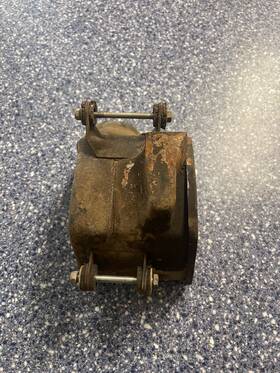
( Manufacturer Part Number: 314-14411-00 ), ( Part Type: Box Filter Case ), ( Universal Fitment: No ), ( Vintage Part: Yes ), ( Compatible Year: 1973, 1972 ), ( Country Of Origin: Japan )
Review YAMAHA 175 Air Filter Box Case Rp-6 fits CT1 CT2 CT3 AT1 AT2 AT3 125 1972–1973
The **Yamaha CT1/CT2/CT3 175 AT1/AT2/AT3 125** and **RP-6** air filter box (part number **314-14411-00**, manufactured in **1972 1973**) represents a rare and highly sought-after component for Yamaha s iconic air-cooled, two-stroke motorcycles of the early 1970s. This filter box is a critical part of the engine s intake system, designed to protect the delicate carburetion and piston assembly from dust, debris, and contaminants while maintaining optimal airflow for peak performance. Crafted from durable, lightweight die-cast aluminum, the box features a clean, minimalist design typical of Yamaha s engineering during this era, with precise machined surfaces and a smooth, unobtrusive contour that blends seamlessly into the motorcycle s frame. The internal filter element, likely a paper or cotton-based pleated design, was engineered to maximize surface area for efficient filtration while minimizing pressure drop, ensuring the engine breathed cleanly even under demanding riding conditions. This particular model is notable for its compatibility with Yamaha s **CT-series** (CT1, CT2, CT3) and **AT-series** (AT1, AT2, AT3) 175cc models, as well as the **RP-6 125cc** twin-cylinder racer, which were celebrated for their lightweight, nimble handling and high-revving engines. The RP-6, in particular, was a trailblazer in the world of road racing, and its air filter box reflects Yamaha s commitment to performance and reliability. Over the decades, these filter boxes have become prized by collectors and restorers due to their scarcity, as original units are often lost or degraded over time. A well-preserved example, complete with its original paint finish and intact mounting hardware, can significantly enhance the authenticity and value of a restored Yamaha from this era. Whether used in a classic show bike, a fully restored race replica, or a carefully maintained daily rider, this air filter box embodies the spirit of Yamaha s pioneering two-stroke technology a blend of simplicity, precision, and enduring craftsmanship that continues to captivate enthusiasts worldwide.
### **Pros and Cons of Buying a 1972 1973 Yamaha CT1/CT2/CT3 175 or AT1/AT2/AT3 125 with an Air Filter Box (RP-6)**
#### **Pros**
1. **Classic Design and Nostalgia**
- These motorcycles are iconic from the early 1970s, embodying the minimalist, utilitarian style of the era. They have a strong following among vintage enthusiasts who appreciate their simple, no-nonsense engineering.
2. **Reliability and Durability**
- Yamaha s 175cc and 125cc air-cooled single-cylinder engines from this period are known for their robustness. With proper maintenance, many still run reliably today, especially if they have been well cared for.
- The basic mechanical design is straightforward, making repairs and modifications easier for those with mechanical aptitude.
3. **Low Cost of Ownership (If Maintained)**
- Parts for these bikes are relatively inexpensive compared to modern motorcycles, especially if you source them from aftermarket suppliers or salvage yards.
- Fuel efficiency is excellent by modern standards expect around **80 100 km/l (200 250 mpg)** for the 125cc models and **60 80 km/l (150 200 mpg)** for the 175cc models.
4. **Lightweight and Maneuverable**
- The bikes are extremely light (around **60 75 kg / 130 165 lbs** depending on model), making them easy to handle in traffic and park in tight spaces.
- The low seat height (around **780 800 mm / 30 31 inches**) makes them accessible to shorter riders.
5. **Modification Potential**
- The air-cooled single-cylinder engine is simple to modify, allowing for upgrades like:- **Performance tweaks** (e.g., porting, carburetor adjustments, or even swapping in a modern carburetor like a Mikuni or Dell Orto).
- **Suspension upgrades** (e.g., aftermarket forks or shocks for better comfort).
- **Aesthetic customization** (e.g., paint, handlebars, or exhaust modifications).
- The **RP-6 air filter box** (a rare and desirable aftermarket addition) improves airflow and can enhance performance slightly while adding a retro-modern touch.
6. **Low Speed Stability**
- The bikes are naturally stable at low speeds, making them great for urban commuting or short trips where high-speed stability isn t a concern.
7. **Community and Restoration Appeal**
- There is a dedicated community of Yamaha CT/AT owners who share knowledge, parts, and restoration tips. This makes it easier to find help if you re restoring or modifying the bike.
- Restoring one can be a rewarding hobby, especially for those who enjoy working with vintage machinery.
8. **No Modern Electronics to Fail**
- Unlike modern bikes with fuel injection, ABS, or complex electronics, these models have minimal electrical components, reducing the risk of costly failures.
9. **Environmentally Friendly**
- The low emissions and fuel efficiency make them a practical choice for short-distance riding, appealing to eco-conscious riders.
10. **Potential for Low Purchase Price**
- Depending on condition, these bikes can be found for **$500 $2,000 USD**, making them an affordable entry into classic motorcycles.
---
#### **Cons**
1. **Poor High-Speed Stability**
- The bikes are **not designed for high-speed riding**. At speeds above **80 100 km/h (50 60 mph)**, they become wobbly and unstable due to:- **Weak frame rigidity** (especially the CT models, which lack a proper frame brace).
- **Soft suspension** (original shocks and forks are not built for high-speed comfort).
- **Narrow tire contact patch** (modern tires or wider ones can help, but the bike s geometry still limits stability).
- The **AT models** (especially the AT3) are slightly more stable than the CTs but still not suited for aggressive riding.
2. **Outdated Safety Features**
- No **disc brakes** (originally drum brakes, which are less effective in wet conditions).
- **Minimal wind protection** (no fairings, making high-speed riding uncomfortable and drafty).
- **No modern ergonomics** (cramped seating position, poor footpeg placement, and high handlebars can lead to fatigue on longer rides).
3. **Maintenance Requirements**
- While simple, these bikes **require regular upkeep** to stay running:- **Chain and sprocket wear** (the 5-speed transmissions are durable but need lubrication and adjustment).
- **Carburetor tuning** (floating carburetors like the original **Yamaha YA18** or **YA20** can drift over time).
- **Brake wear** (drum brakes need periodic resurfacing or replacement).
- **Rust issues** (especially in humid climates, the frame and engine can corrode if not stored properly).
- If neglected, they can become **expensive to fix** due to rust, seized components, or worn-out parts.
4. **Limited Power and Performance**
- The **125cc models** produce around **7 9 HP**, while the **175cc models** generate **10 12 HP** barely enough for highway speeds without struggling.
- **Top speed is around 90 110 km/h (55 65 mph)**, which is adequate for urban and light highway use but not for long-distance touring.
- **Acceleration is sluggish**, especially from a standstill.
5. **Comfort Issues**
- **Hard seat** (no cushioning, leading to discomfort on longer rides).
- **Poor wind protection** (no fairings mean constant wind exposure, making high-speed riding unpleasant).
- **Narrow handlebars** (can cause wrist strain on longer rides).
6. **Parts Availability Challenges**
- While parts exist, **some components are rare or discontinued**, especially for older models.
- **Aftermarket support is limited** compared to modern bikes, meaning you may need to source parts from specialty vendors or salvage yards.
- **Replacement engines or frames** can be expensive if the original is beyond repair.
7. **Legal Restrictions in Some Areas**
- Some regions have **speed limits or restrictions on vintage motorcycles**, especially if they lack modern safety features (e.g., no turn signals, weak brakes).
- **Insurance can be difficult to obtain** due to their age and lack of modern safety equipment.
8. **Resale Value is Low**
- These bikes **depreciate quickly** and have little resale value unless they are in **showroom condition** or part of a rare collection.
9. **Not Suitable for Long-Distance Touring**
- The **lack of comfort, fuel range ( 150 200 km / 90 125 miles per tank), and high-speed instability** make them impractical for multi-day trips.
- Modern touring bikes offer **better ergonomics, suspension, and fuel efficiency** for long rides.
10. **Potential for Hidden Issues**
- **Rust** (common in frames, forks, and engines if stored improperly).
- **Worn-out bearings, bushings, or seals** (can lead to expensive repairs if not addressed early).
- **Electrical gremlins** (weak batteries, corroded connections, or failing generators).
---
### **Conclusion**
The **1972 1973 Yamaha CT1/CT2/CT3 175 or AT1/AT2/AT3 125** (especially with an **RP-6 air filter box**) is a **fantastic choice for:**- **Urban commuting** (short, low-speed trips).
- **Vintage enthusiasts** who enjoy restoring and modifying classic bikes.
- **Budget-conscious riders** who prioritize simplicity and low running costs.
- **Those who appreciate the bike s nostalgic charm** and don t mind its limitations.
However, it is **not ideal for:**- **High-speed or highway riding** (instability and lack of power).
- **Long-distance touring** (comfort and fuel range are insufficient).
- **Riders expecting modern safety or ergonomics** (drum brakes, poor wind protection, hard seat).
- **Those who want a reliable, hassle-free motorcycle** (requires regular maintenance).
The **RP-6 air filter box** is a **desirable upgrade** for performance and aesthetics, but it does not compensate for the bike s fundamental limitations. If you install one, expect **slightly better throttle response and airflow**, but the bike will still be limited by its age and design.
---
### **Recommendation**
**Buy one if:**You are **passionate about vintage motorcycles** and enjoy the restoration process.
You **only ride in urban areas** and keep speeds under **80 km/h (50 mph)**.
You **have mechanical skills** or access to someone who can maintain it properly.
You **don t mind sacrificing comfort and high-speed stability** for the sake of nostalgia and simplicity.
You **find a well-d
Details:
Air filter housing air box removed from 1972 Yamaha AT2 125. Look closely at photos and ask any questions before purchase.
part #: 3141441100 prices
- $102.16-$199.99
specifications cyclevintagee:
- for models: Ct1, Ct2, Ct3, At1, At2, At3, 125
- for makes: Yamaha
- for years: 1972-1973
- mpn: 314-14411-00
- part type: Box Filter Case
- universal fitment: No
- vintage part: Yes
- compatible year: 1973, 1972
- country of origin: Japan
seller cyclevintagee:
- # reviews: 1086
- city: San Diego, California
- rating: 99.2%
general cyclevintagee:
- condition: Used
- Parts Accessories > Motorcycle Scooter Parts Accessories > Other Motorcycle Scooter Parts Accessories
offer cyclevintagee:
- sold: 0
- started: March 9, 2026
- best offers: True
- options: Ship-to-home
- availability: In Stock
- quantity: 1
payments cyclevintagee:
- credit card: Visa
- other
- wallet: Google-pay
shipping cyclevintagee:
- type: Calculated
- transit: 4-10 Days
- class: Standard
- carrier: USPS
- service: USPS Ground Advantage
- cost: $9.65
returns cyclevintagee:
- policy: No Returns
Yamaha 314-14411-00 Is Similar To:
- 109-14451-00 Yamaha Nos Air Filter Oem New Riverside (31.9% similar) It is in excellent new condition. Here is a nos air filter for your yamaha YJ2...(May 27th, 2018)
- 11445555 Yamaha Rubber Battery Box (21.7% similar) The sleeve set has been cleaned, inspected, and is in good overall used usable working condition. Fits yamaha XS850. Ships in a 7X7X6 and weighs 1 to 2 pounds. Hi, this battery sleeve was removed from a 1980 yamaha...(November 29th, 2017)
- 15a-15451-00 Yamaha Nos Left Stator Crank Case Cover Gasket (29% similar) Part may fit other model's...(January 27th, 2019)
- 183-14463-00 Yamaha Air Cleaner Joint Oem Nos (29% similar) This yamaha joint, air Cline 2 fits the following model's and components: motorcycle 1969 AS2C cleaner 1968 YAS1C...(March 2nd, 2018)
- 1a0-21170-01-33 Yamaha Nos Battrey Box (25.8% similar) This is a new battery box for the yamaha RD400 no and some shelf wear little dirty dusty but nice part longer available from buy now save...(August 5th, 2018)
- 1t0-14411-00-00 Yamaha Oem Airbox Air (30.9% similar) They may have repairs. They may need some repairs. Includes, lid, cage and intake boot. Any questions. If you see something we missed or is incorrect in the please. Mounting points are good. Please look at all the pictures and read whole. 1 mile south of town on M-19. Includes cage, but no air ...(May 31st, 2017)
- 1yu-144 Yamaha Air Filter Razz Scooter Foam Cleaner Vintage Factory Oem (30.6% similar) Yamaha air filter razz scooter foam cleaner SH50 vintage factory oem 1YU-144FREE shipping...(March 24th, 2018)
- 214-21240-10-33 Yamaha Nos Battery Box (25.8% similar) I ship worldwide via us mail and will combine shipping whenever possible. Hi ak pr APO ap may be higher. Location: BM7-18E...(July 26th, 2018)
- 220-14453-00 Yamaha Nos Air Boot Cleaner Joint (25.8% similar) Yamaha part code. Approx shipping weight is 1LBS. Very rare parts. Up for sale is a new old stock air cleaner carb boot your yamaha G6S, G6SB, G7S, L5T, L5TA or YG5S...(July 27th, 2018)
- 23x-14458-09-00 Yamaha 1983 Yz490 Air (24.4% similar) Specific to 1 model but may fit others. See photos with tape measure yamaha part 23X extremely rare Nola...(January 27th, 2018)
- Xs650 256-15451-00 Nos New Yamaha Xs1 Xs2 Tx650 Right Crank Case Clutch Cover Gasket (21.2% similar) Up for offer is a nos new old stock yamaha XS1 XS2 XS650 TX650 right crank case clutch cover gasket. This part does not include the original packaging. Please see chart in pictures for correct model application...(November 1st, 2016)