YAMAHA 2HG-2174F-00-00 Seat
fits model: Yz125, Yz250, Yz490. make: Yamaha. year: 1986–1988.
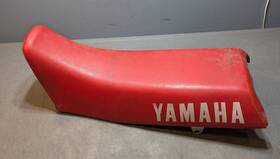
( Manufacturer Part Number: 2HG-2174F-00-00 ), ( Part Type: Seat ), ( Vintage Part: Yes ), ( Country Of Origin: Japan )
Review YAMAHA Seat fits YZ125 YZ250 YZ490 1986–1988
The **Yamaha YZ125/YZ250/YZ490 2HG-2174F-00-00 seat** from the late 1980s (specifically models produced between **1986 and 1988**) is a highly sought-after aftermarket upgrade for Yamaha s legendary YZ dirt bike line, designed to enhance both comfort and performance. This seat is a meticulously crafted replacement for the stock units found on the **YZ125, YZ250, and YZ490**, offering a blend of durability, ergonomic support, and a modernized fit that appeals to both vintage enthusiasts and competitive riders. The **2HG-2174F-00-00** designation indicates a premium-grade construction, likely featuring a **high-density foam core** encased in a **durable, weather-resistant vinyl or synthetic leather exterior**, ensuring longevity even under the rigors of off-road use. Unlike the stock seats, which were often criticized for being too thin or poorly contoured, this aftermarket seat provides a **deep, aggressive cradle** that cradles the rider s hips and tailbone, reducing fatigue during long sessions in the saddle. The **cut-to-fit design** ensures a snug, custom feel, eliminating the wobble and instability common with generic replacements, while the **reinforced stitching and reinforced edges** prevent premature wear from sharp contact with the bike s frame or rider s gear. Whether you re restoring a classic YZ for show or preparing it for track days, this seat bridges the gap between nostalgia and modern practicality, offering the same iconic Yamaha styling with the added benefits of improved comfort and durability. For collectors and riders who appreciate the balance of heritage and performance, the **1986-1988 Yamaha YZ seat** stands as a timeless upgrade that enhances both the aesthetics and functionality of one of motocross s most legendary platforms.
### Yamaha YZ125, YZ250, YZ490, and Seat 1986 1988 Motorcycles: Pros and Cons
---
#### **Yamaha YZ125 (1986 1988)**
**Pros:**1. **Reliability** The YZ125 is a simple, air-cooled, single-cylinder engine known for its durability and ease of maintenance. Many still run reliably after decades with basic upkeep.
2. **Lightweight** Weighing around 200 220 lbs (90 100 kg), it s easy to handle, maneuver, and transport, making it ideal for beginners or riders in urban or tight spaces.
3. **Affordability** Parts and labor are inexpensive compared to modern bikes. A well-maintained example can be found for $1,500 $3,000, depending on condition.
4. **Simplicity** The design is straightforward, with minimal electronics. Troubleshooting issues (e.g., carburetor, chain, or clutch) is often easier than on modern bikes.
5. **Versatility** Can be used for track days, trail riding, or commuting with minimal modifications. The 125cc engine is also legal for A2 licensing in many countries.
6. **Classic Appeal** Enthusiasts appreciate the nostalgic design and the challenge of restoring or maintaining a vintage bike.
7. **Fuel Efficiency** The 125cc engine consumes very little fuel, making it cost-effective for short trips.
**Cons:**1. **Power Limitations** The 125cc engine is underpowered for highway speeds or aggressive riding. Top speed is around 60 70 mph (95 110 km/h), which may feel slow on modern roads.
2. **Comfort** Ergonomics are basic. The seat is narrow, and the riding position is upright, which can lead to fatigue on long rides. Suspension is stiff by modern standards.
3. **Noise and Vibration** The air-cooled engine and lack of sound insulation make it loud and vibration-prone, which can be uncomfortable over time.
4. **Limited Aftermarket Support** While parts exist, modern accessories (e.g., modern brakes, suspension, or electronics) are harder to find or may require custom fabrication.
5. **Rust and Wear** Older bikes, especially those exposed to moisture, may suffer from rust in the frame, suspension, or drivetrain. A thorough inspection is critical.
6. **Safety Concerns** Braking and handling may not meet modern standards. Disc brakes (if equipped) can be weak, and tires may be worn or unsuitable for today s roads.
7. **Environmental Regulations** Some regions have emissions or noise restrictions that may make riding a vintage bike illegal or require modifications.
---
#### **Yamaha YZ250 (1986 1988)**
**Pros:**1. **More Power** The 250cc engine offers significantly more performance than the YZ125, with a top speed around 80 90 mph (130 145 km/h) and better acceleration for its time.
2. **Track Heritage** The YZ250 was a dominant force in motocross and enduro racing in the 1980s. Its chassis and suspension were well-tuned for off-road use.
3. **Durability** Like the YZ125, it s built to last with proper care. Many YZ250s are still ridden competitively in vintage racing.
4. **Mod Potential** The 250cc engine is popular among tuners, with aftermarket parts (e.g., cams, pistons, or exhausts) available to increase power or improve reliability.
5. **Off-Road Capability** The suspension, knobby tires, and lightweight frame make it well-suited for trails, dirt tracks, or light enduro riding.
6. **Lower Cost** Parts and labor are cheaper than for larger bikes, and a decent example can be found for $2,000 $4,000.
7. **Nostalgia Factor** Owning a piece of motocross history is appealing to enthusiasts.
**Cons:**1. **Aging Chassis** The frame and suspension are not as refined as modern bikes, leading to less comfort on rough terrain or pavement.
2. **Ergonomics** The riding position is aggressive and may not suit casual riders or those with back issues.
3. **Maintenance Intensity** The air-cooled engine and manual components (e.g., clutch, chain) require regular attention to prevent wear.
4. **Braking Limitations** Drum brakes (on early models) or weak disc brakes may not stop the bike effectively, especially at higher speeds.
5. **Fuel and Emissions** Older 250cc engines may not meet modern emissions standards in some regions, requiring modifications or limiting where you can ride.
6. **Weight** While lighter than modern bikes, it s heavier than a YZ125, making it less nimble for technical trails.
7. **Parts Scarcity** Some components (e.g., specific suspension parts or carburetors) may be harder to find than on more modern bikes.
---
#### **Yamaha YZ490 (1986 1988)**
**Pros:**1. **Power and Performance** The 490cc air-cooled V-twin engine was Yamaha s largest production bike at the time, offering significant power (around 40 45 hp) and a top speed of 100 mph (160 km/h).
2. **Versatility** Designed as a dual-sport, it could handle both on-road and off-road riding, though it was primarily marketed as a trail bike.
3. **Durability** The V-twin engine is robust and known for longevity, especially with regular maintenance. Many YZ490s are still ridden today.
4. **Classic Design** The bike s retro styling and aggressive stance appeal to vintage motorcycle enthusiasts.
5. **Mod Potential** The engine can be tuned for more power, and aftermarket parts (e.g., exhausts, camshafts) are available.
6. **Comfortable for Its Time** The ergonomics are better than the YZ125 or YZ250, with a more relaxed riding position and slightly better suspension.
7. **Lower Cost** A well-maintained YZ490 can be purchased for $3,000 $6,000, depending on condition.
**Cons:**1. **Aging Technology** The air-cooled engine and manual components (e.g., clutch, chain) are less efficient and require more maintenance than modern bikes.
2. **Poor Fuel Efficiency** The 490cc engine consumes fuel at a higher rate than smaller bikes, making it less economical for long trips.
3. **Braking and Handling** Drum brakes (on some models) or weak disc brakes may not provide modern stopping power. The steering and suspension are stiff by today s standards.
4. **Noise and Vibration** The V-twin is loud and vibrates significantly, which can be uncomfortable over time.
5. **Weight** At around 350 400 lbs (160 180 kg), it s heavier than the YZ125 or YZ250, making it less maneuverable on technical trails.
6. **Emissions and Legal Issues** Older bikes may not meet modern emissions standards, limiting where you can ride or requiring modifications.
7. **Parts Availability** While parts exist, some components (e.g., specific suspension or electrical parts) may be harder to source than on newer bikes.
8. **Rust and Wear** Like all vintage bikes, rust in the frame, suspension, or drivetrain is a common issue that requires inspection and potential repairs.
---
#### **Seat 1986 1988 (Spanish Bikes)**
**Pros:**1. **Affordability** Seat bikes (especially the 125cc models) were often cheaper to purchase and maintain than Japanese counterparts due to lower production costs.
2. **Simplicity** Many Seat bikes feature straightforward designs with fewer high-tech components, making them easier to repair.
3. **Off-Road Focus** Some models (e.g., Seat 125P or 250P) were designed for enduro or trail riding, with rugged frames and knobby tires.
4. **Unique Design** Seat bikes have a distinct look, appealing to riders who want something different from Japanese brands.
5. **Potential for Restoration** Undervalued in some markets, Seat bikes can be a bargain for enthusiasts willing to restore them.
**Cons:**1. **Reliability Issues** Seat bikes are often criticized for poor build quality, with common problems like leaking seals, weak frames, or unreliable engines.
2. **Parts Scarcity** Finding original parts can be difficult, especially for older models, as Seat was not a major global manufacturer.
3. **Performance Limitations** The engines are generally underpowered compared to Japanese equivalents. The 125cc and 250cc models lack the refinement and power of Yamaha s offerings
Details:
Good pan and foam, cover is ripped on the right side, YAMAHA 1986 YZ125S SEAT: Yamaha YZ125s YZ250S YZ490S 1987 MOTOCROSS YZ125T motocross YZ125t YZ250T YZ490T 1988 YZ125U YZ490U 1989 YZ490W.
part #: 2hg2174f0000 prices
- $40.00-$190.00
specifications cyclevintagee:
- for models: Yz125, Yz250, Yz490
- for makes: Yamaha
- for years: 1986-1988
- mpn: 2hg-2174f-00-00
- part type: Seat
- vintage part: Yes
- country of origin: Japan
general cyclevintagee:
- condition: Used
- Parts Accessories > Motorcycle Scooter Parts Accessories > Other Motorcycle Scooter Parts Accessories
shipping cyclevintagee:
- type: Calculated
- service: UPS Ground, USPS Ground Advantage
- cost: $23.80
- carrier: UPS, USPS
- class: Standard
- transit: 4-8 Days
seller cyclevintagee:
- # reviews: 9061
- city: Florence, Kentucky
- rating: 99.9%
payments cyclevintagee:
- wallet: Google-pay
- other
- credit card: Visa
offer cyclevintagee:
- quantity: 1
- sold: 0
- options: Ship-to-home
- started: May 14, 2026
- best offers: True
- availability: In Stock
returns cyclevintagee:
- policy: Returns Accepted
- time: 14 Days
- paid by: Buyer
Yamaha 2HG-2174F-00-00 Is Similar To:
- 174-24730-00-00 193-24730-00-00 Oem Yamaha Bonanza Decent Seat Look Yam (34.6% similar) I did a little research with my old yamaha microfiche and found that there are 2 model's, YCS1 YCS1C. Seat pan is nice, no rust or rot, just a little surface under the paint. Not sure of the difference, but microfiche card listed 2 part for seats, and they are as follows: is YCS1193 YCS1CI'M just ...(October 2nd, 2018)
- Sr250 3y6-21645-00-00 Yamaha Stay Rear 1980-1982 Sr 250 Seat Grab Rail Bar (37.3% similar) ...(February 21st, 2016)
- 1a2-24756-00-20 Yamaha Seat Cowl Trim Piece Original Nos (24.1% similar) Original factory paint in crystal silver. USA shipping only please. A must need piece for your restoration of 1978 RD400E. Yamaha part 1A2 rare item in this condition. Mounts behind the seat. Its never been mounted to a bike, no sun or fading on it at all. 1978 yamaha RD400E seat cowl trim piece...(April 11th, 2018)
- 2al-2840f-01-00 Yamaha Ysr Seat Backrest Oem (28.8% similar) This part may fit other years and model's. Guaranteed condition as shown in picture and or other wise described within listing. This offer is for 1988 yamaha YSR50 yrs 50 seat backrest oem 2AL-2840F please shipping estimates to these locations...(August 8th, 2018)
- 3p6-24773-01-p2 Yamaha Seat Handle Blue (26.3% similar) Yamaha seat handle blue this listing is for a in...(January 22nd, 2018)
- 3wx-13621-00-00 Yamaha Jog Zuma Cg Cw Reed Valve Seat Gasket Oem (32.3% similar) Please see all photos for more fitment and condition details. Not asking questions, gets you the wrong part every time guaranteed. It is also cheaper if you do not need a lift gate truck. Not looking at the pictures, reading. They may need some repairs. If you see something we missed or is incorrect...(March 20th, 2019)
- 462-24770-00 Yamaha Nos Seat Assembly Yz (28% similar) Some scratches on seat pan. A very rare part. Up for offer is a new old stock seat your yamaha YZ80. There are two small slits on the bottom rear edge of cover, please look over pics closely for condition...(December 9th, 2018)
- 4nk-24710-00-00 Yamaha Nos Genuine Oem Single Seat Assy Royal Star (33.3% similar) XVZ13AMC seat 2000 royal star yamaha black XVZ13AM boulevard XVZ1300AM XVZ1300AMC 2001 XVZ1300AN XVZ1300ANC...(October 8th, 2018)
- 5gr-24710-10-00 Yamaha Seat (25.3% similar) Good usable seat. It has two small cracks tears on the one side...(June 3rd, 2018)
- 68-6904 Yamaha Seat Xs1 Xs (32.6% similar) Grab rail replica of original stock seat steel seat pan, mounting hardware hinges, hook for latch and prop assembly included lettering is in gold passenger rail included oem ref. Seat XS1 XS 2 TX650 incl. I am happy to combine shipping when possible...(January 7th, 2018)
- 90891-20100 Yamaha Vstar Passenger Seat Bracket Recall Kit Filters (25.4% similar) Star yamaha passenger seat tandem bracket recall kit XVX11 XVS65 part. Not sure what all these will fit, hopefully the part number is enough to go on. Plus, here are two new MEGO oil filters. Sold my '04 star 11 don't need these. Fixed shipping of 8 to lower 48 states. My v-star was an 11 but I'm ...(March 3rd, 2019)